A thoughtfully stocked non-alcoholic bar cart doesn’t have to rely entirely on specialty zero-proof spirits. Many of the most versatile, flavorful, and functional ingredients are already in your kitchen, waiting to be used in creative ways. When you know how to prepare, combine, and layer them, these everyday pantry staples can become the backbone of elevated, complex non-alcoholic cocktails.
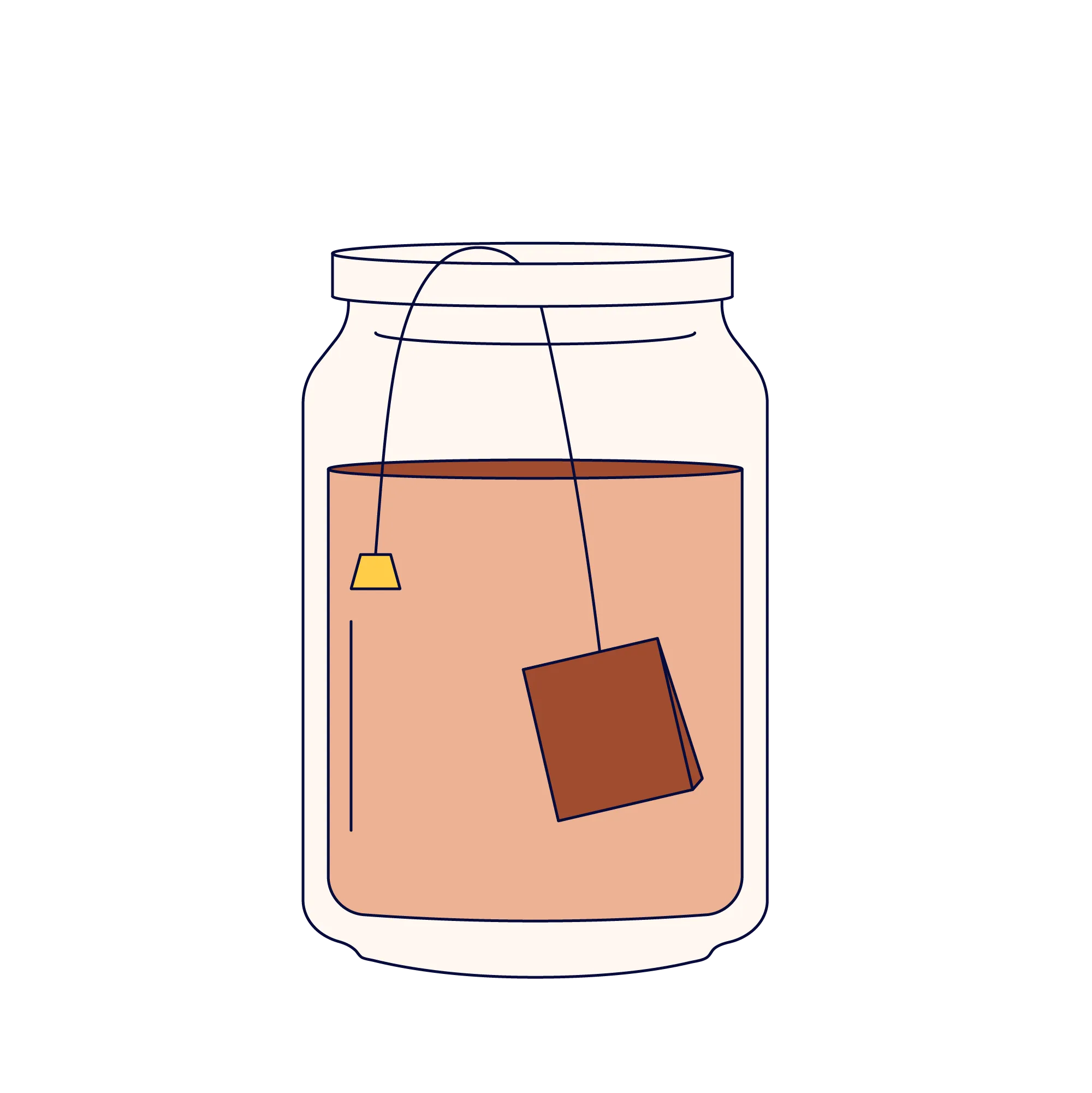
Tea is one of the most flexible and affordable foundations for non-alcoholic cocktails, capable of providing depth in ways that water or juice cannot. Different varieties bring unique aromatic and flavor qualities, while brewing techniques can turn the volume of those characteristics up or down.
Black tea offers richness and tannic grip, green tea delivers vegetal brightness, and white tea brings subtle floral elegance. Herbal tisanes like chamomile, rooibos, and hibiscus each add their own aromatic compounds and, in many cases, functional benefits. Caffeinated teas can add an energizing lift, while herbal infusions may offer benefits like calming the nervous system or supporting digestion.
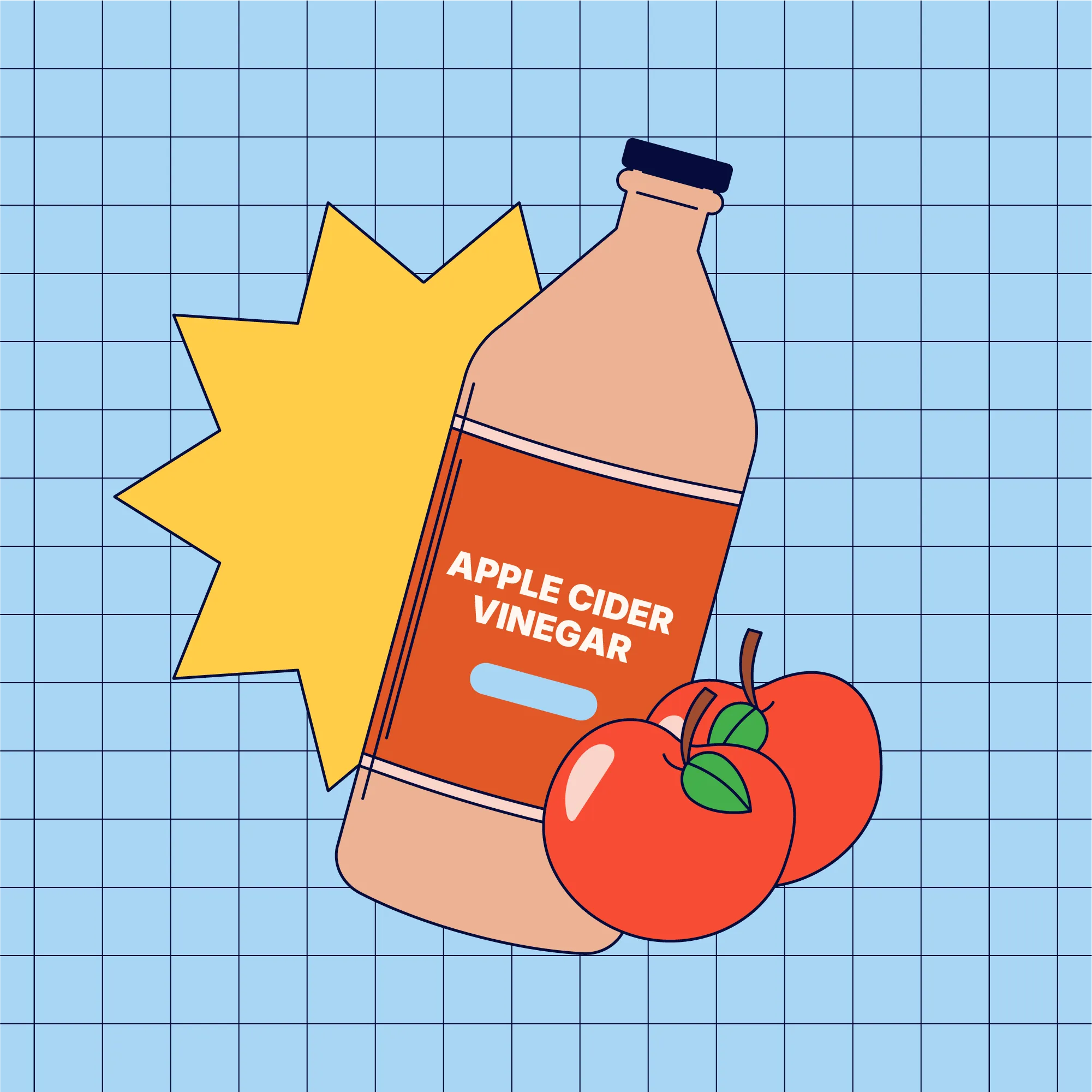
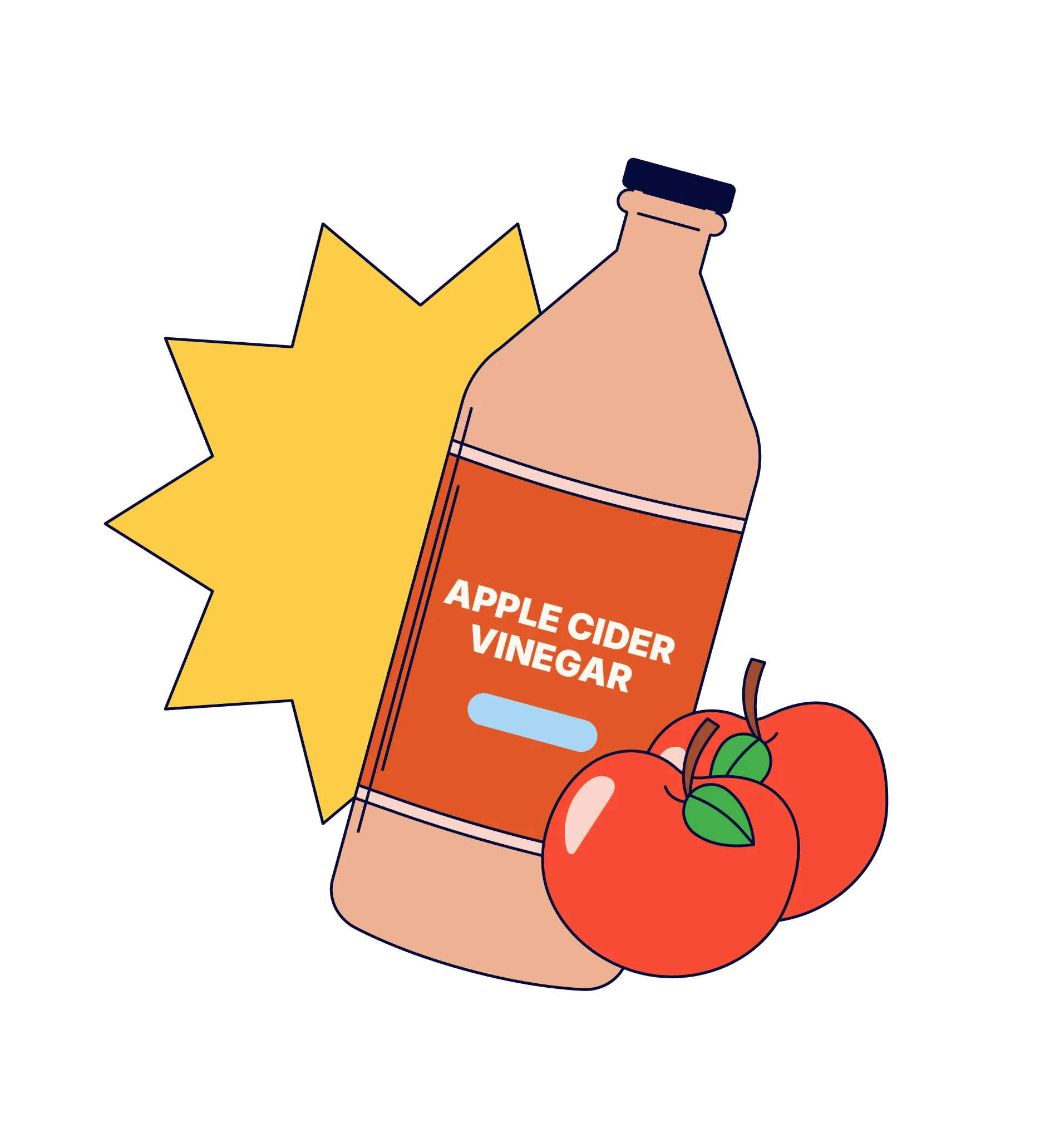
Vinegar is a powerful acidifier that brings brightness, balance, and a subtle funk, all of which contribute to the complexity of a non-alcoholic cocktail. Its tangy sharpness can cut through sweetness and heighten other flavors, much like citrus juice, but with a deeper, more layered effect thanks to its fermented origins.
This makes vinegar especially valuable for adding a hint of the savory or funky notes that alcohol can provide. From the crisp, fruity profile of apple cider vinegar to the rich molasses-like character of balsamic or the deeply savory punch of umeboshi vinegar, each variety offers its own distinct contribution to a drink.
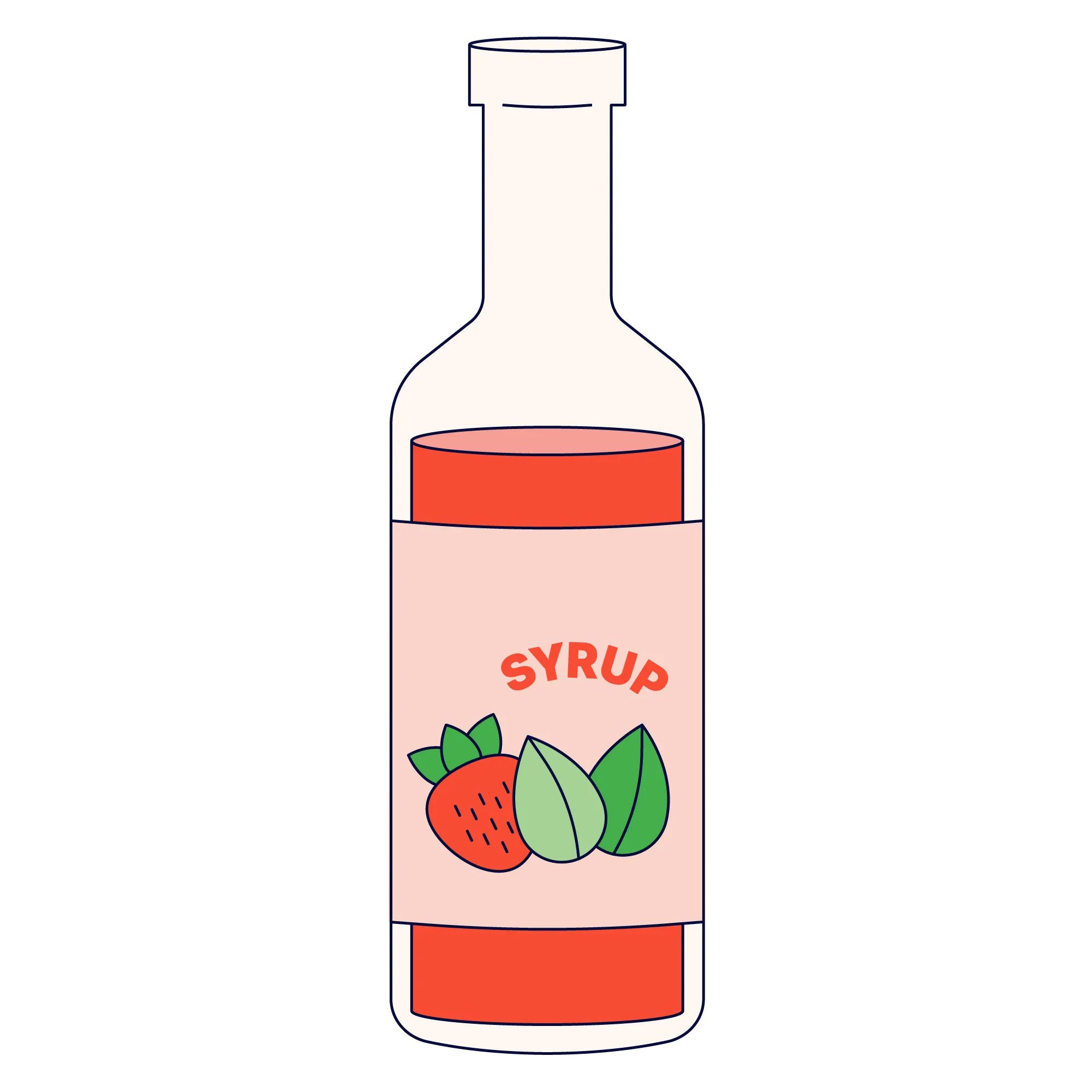
Syrups are both a sweetener and a flavor delivery system, offering viscosity, body, and balance while allowing you to highlight key ingredients in your mocktail. They are particularly important in non-alcoholic drinks, where alcohol’s natural mouthfeel is absent, as they add weight and roundness to the palate.
A classic simple syrup, made with equal parts sugar and water, is endlessly adaptable with the addition of herbs, spices, fruits, or alternative sweeteners like honey, maple, or demerara sugar for a richer flavor profile. Infused syrups can become the signature element that gives your drink personality and a sense of place.
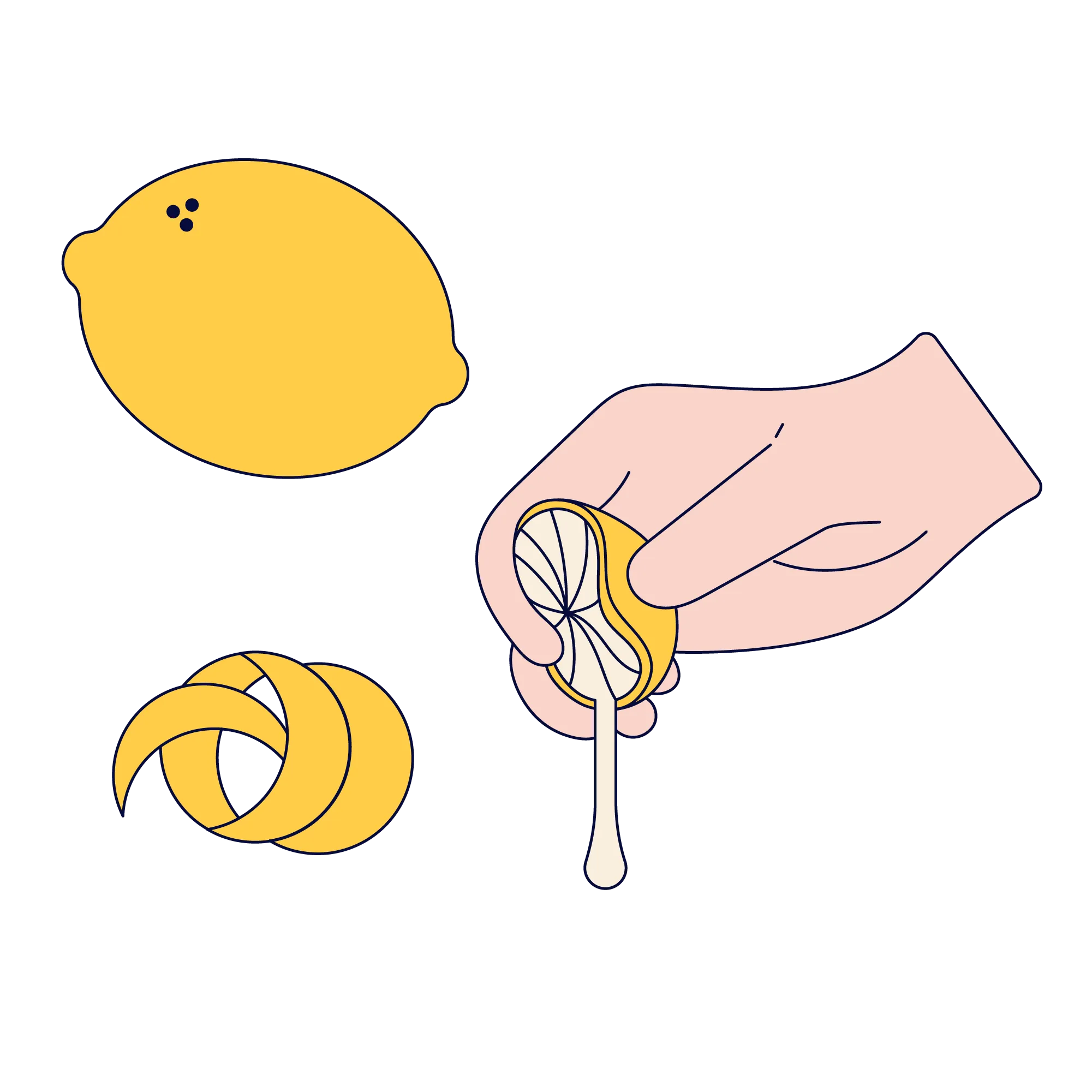
Citrus plays a central role in mixology by delivering acidity, brightness, and aromatic complexity, all of which are essential in non-alcoholic cocktails. The juice offers freshness and tang that balance other flavors, while the peel contains aromatic oils that contribute bitterness and high-toned aromatics.
Bottled lemon or lime juice may be convenient, but it can’t match the vibrant taste of fresh-squeezed. Using both the juice and the peel creates a fuller, more complete citrus profile.
Carbonated water introduces lift and texture, transforming still drinks into something more dynamic and engaging. The effervescence helps carry aromas to the nose and creates a sensory experience.
Sparkling water can also be a tool for adjusting dilution while preserving intensity of flavor, especially in spritz-style drinks. Flavored sparkling water can contribute notes of fruit or herbs without adding sweetness, making them an easy way to enhance complexity without extra ingredients or sugar.
Juices are a foundational ingredient in many non-alcoholic cocktails because they deliver flavor, sweetness, acidity and color in a single ingredient. However, old school mocktails have gotten a bad reputation from their overreliance on juice that results in drinks that feel overly sweet or simplistic.
Understanding the sugar-acid profile of each juice is essential to using it effectively. For example, tart cherry juice brings sharpness and earthy flavor while pineapple juice offers topical sweetness.
It’s important to note that some juice products add extra sweeteners into their blends for stability and flavor. Be an educated consumer and read the label of your juices.
Fresh-pressed juice offers an elevated aroma and flavor, while frozen or shelf-stable options can add variety and convenience.
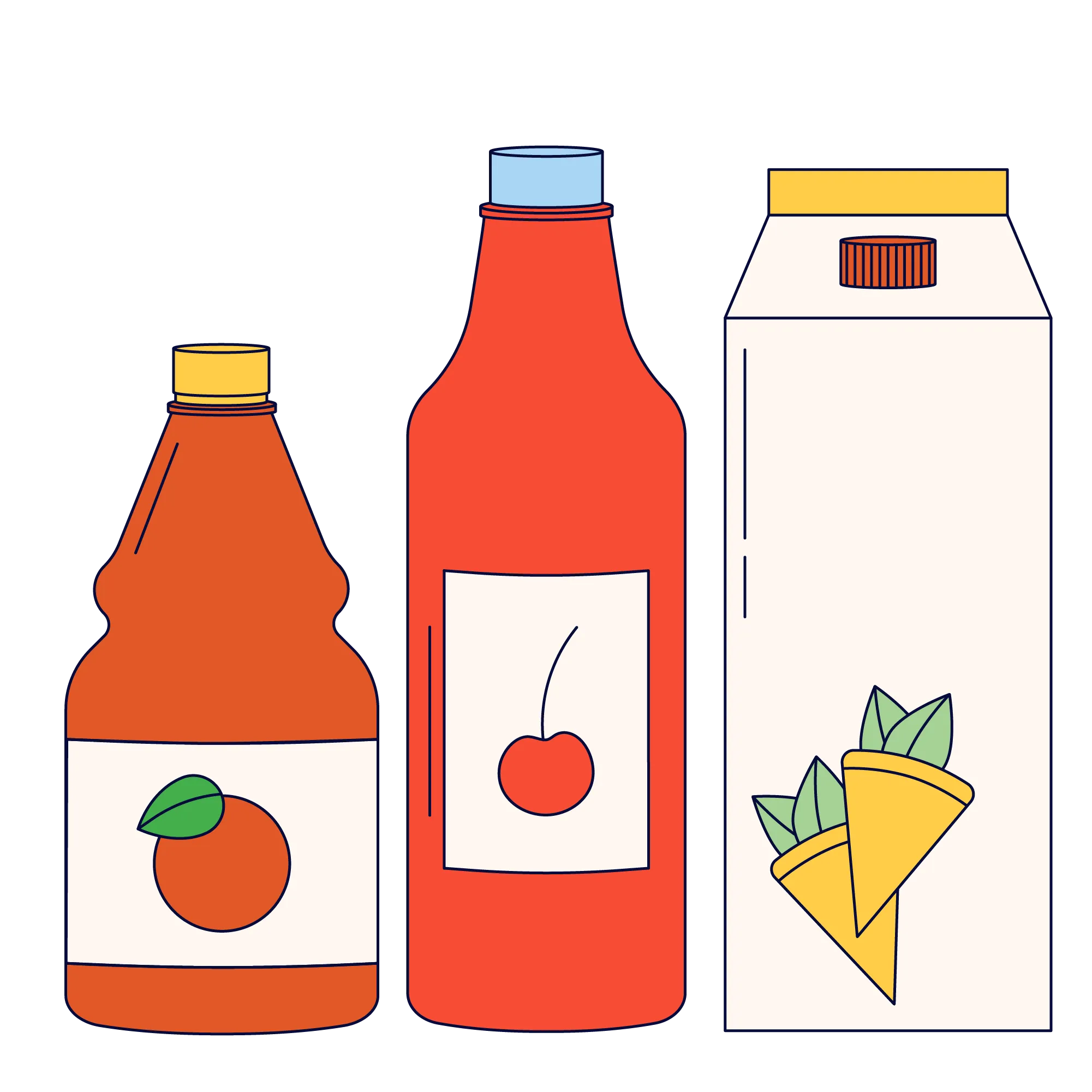
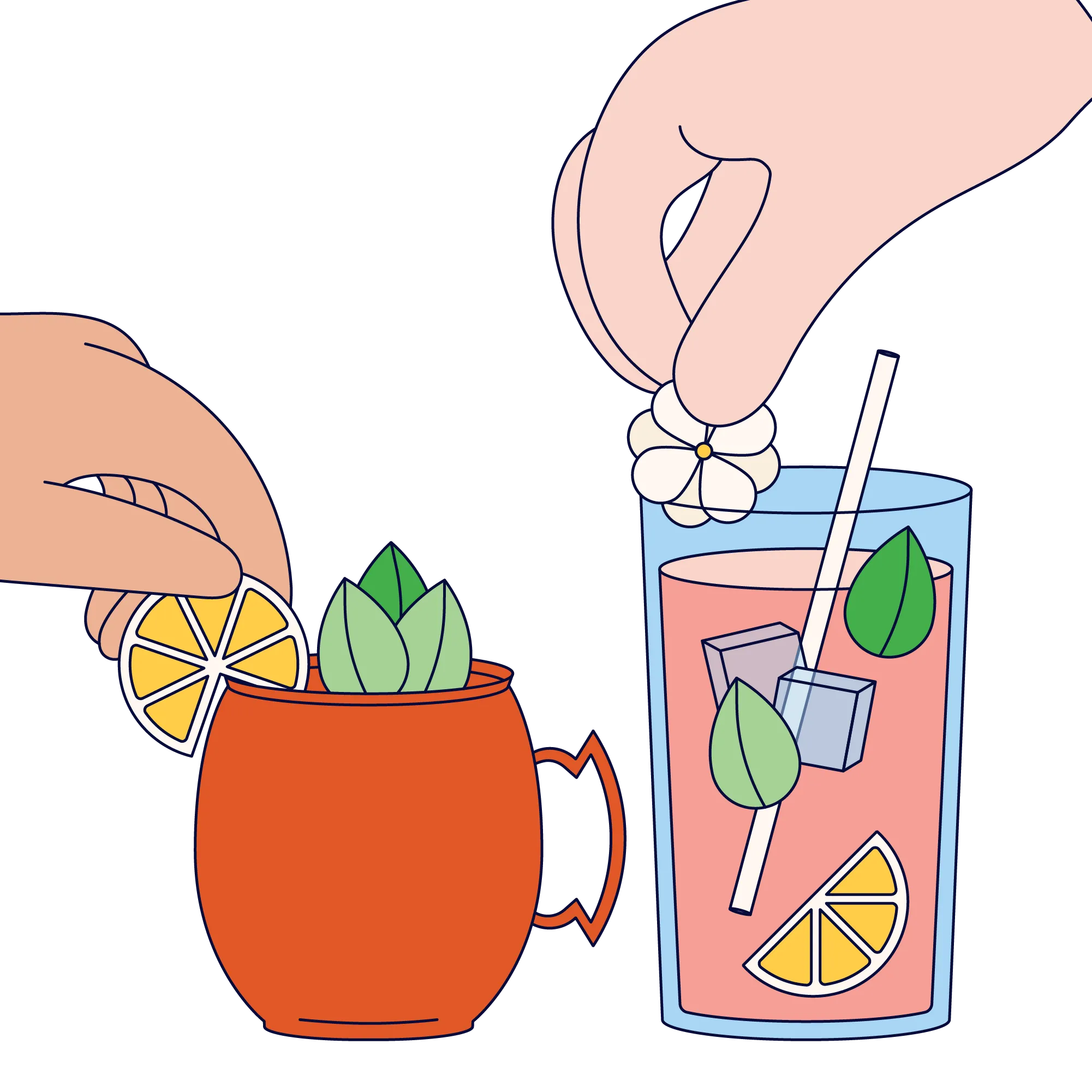
A garnish is far more than a decorative flourish, it provides information and visual appeal to the drinker. They can signal the cocktail’s flavor profile, engage the senses before the first sip, and elevate the overall drinking experience.
The right garnish can highlight the primary ingredients, add aroma, and give the drink visual appeal that draws the drinker in. Whether it’s a simple citrus wheel, an edible flower, or a sculptural cucumber ribbon, the garnish can turn a casual drink into a memorable one.
Your fridge and pantry can be more than food storage - with a simple shift in perspective, your kitchen can become a source of inspiration for new mocktail creations!
With tea, vinegar, syrups, citrus, sparkling water, juices, and garnishes on hand, you can build drinks with layered flavors, balanced textures, and thoughtful presentation. From a hibiscus-citrus spritz to a mango black tea highball, your kitchen already holds the ingredients to make non-alcoholic cocktails that are layered, balanced, and satisfying.
You do not need specialty products to build a great zero-proof bar. Below, we cover the pantry ingredients, tools, and techniques that make it work.
A thoughtfully stocked zero-proof bar doesn't require a shelf of specialty products. Start with structural building blocks: syrups for sweetness and body, acid sources like citrus or vinegar, carbonated bases, teas for depth and juices for flavor. These five categories give you the components to build a balanced non-alcoholic cocktail. Add garnishes for aroma and presentation, and you have a functional bar from pantry staples alone.
Not necessarily. Tea, citrus, infused syrups, vinegar and carbonated water can build complex layered drinks on their own. NA spirits are a great tool to add depth and complexity but with a little extra thought and effort pantry staples are a low-cost high-return place to start. Understanding how these kitchen ingredients work together will help you make elevated mocktails.
Organize by function rather than aesthetics. Group your acid sources together, keep syrups accessible, and store carbonated waters chilled until use. A small selection of glassware, a cocktail shaker, a jigger and a strainer are the only tools you need visible on the cart itself. Fresh citrus, herbs and garnishes add visual appeal while pulling double duty as actual ingredients. Let what you use most often lead the layout.
The two problems usually share the same cause: not enough acid and not enough complexity. Without alcohol to provide warmth and aromatic depth, sweetness dominates unless it is actively balanced. Adding a proper acid source like fresh citrus juice or a small dash of vinegar brightens the drink and creates the perception of balance. A bitter element, whether from tea, bitters or a botanical ingredient, adds the layered quality that keeps a mocktail from tasting one-dimensional.
Start with what is already in your kitchen: a cutting board, a sharp knife, and measuring spoons and cups cover the majority of non-alcoholic cocktail builds. A jar with a lid works as a shaker, though a fine mesh strainer is a must if you go that route. A microplane is another favorite for zesting citrus and grating fresh ginger or spices. Good technique and accurate measuring matter more than gear.
The terms are often used interchangeably but they are not identical. Zero proof means 0.0% ABV with no alcohol present. Non-alcoholic typically refers to beverages with up to 0.5% ABV, a threshold commonly used across the industry, though labeling rules can vary depending on the country and type of product. For most home bartenders the difference is negligible, but the distinction matters when precision is required, particularly with dealcoholized products.
Enjoy a food-based zero-proof mixology experience with your colleagues, virtually or in-person in the Bay Area. Perfect for teams who want a blend of connection, craft, and fun — no booze required.
The Fundamentals of Non-Alcoholic Mixology teaches you how to build balanced, complex zero-proof drinks using food-based ingredients you already have in your kitchen. Join the waitlist to be the first to know when enrollment opens.
You want to create your own mocktails. Not just follow someone else's inspiration. But you're stuck guessing. We teach the foundations of exceptional zero-proof cocktails, so you can create with confidence, not cross your fingers.