When people think of pairing drinks with food, their mind often jumps to wine. But thoughtfully pairing non-alcoholic beverages with meals can be just intentional and pleasing to the palate.
As a holistic nutrition consultant and mocktail mixologist, I love crafting pairings that support wellness and flavor. Here are a few tips for pairing non-alcoholic drinks with food in a way that elevates an entire dining experience for you and your friends:
A good pairing either complements or contrasts the flavors in a dish. Think about the basic taste elements: sweet, sour, bitter, salty, and umami.
Our palates naturally seek balance. When one flavor is dominant (e.g. spicy, rich, or acidic), it can overwhelm other elements of a meal. Pairing a drink that counterbalances the dominant flavor can round out the overall experience and make each bite more enjoyable.
Just like you wouldn’t pair a bold red wine with delicate sashimi, you want to match the intensity of your drink and dish.
If one element (food or drink) is too strong or too subtle, it can overwhelm the other. Matching intensity keeps both the drink and the dish in harmony, so neither gets lost.
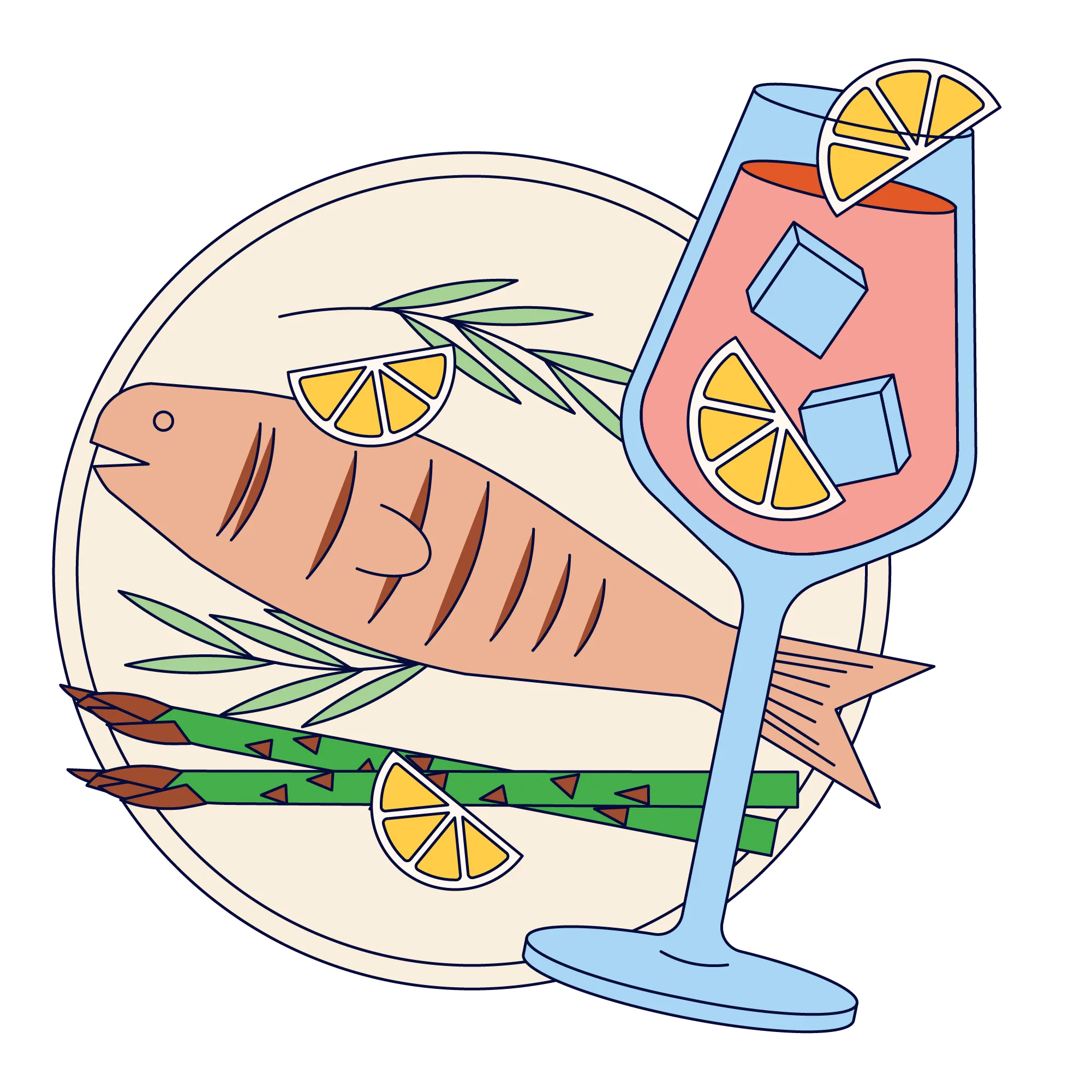
Texture is an underrated part of pairing. Carbonated drinks can cleanse the palate between bites of fried or fatty foods, while tannic beverages (like iced black tea or verjus-based drinks) offer grip and structure with savory dishes.
Texture affects how we feel flavor. A dish with creamy, fatty, or dense texture can coat the palate. Drinks with bubbles, acidity, or astringency (like tannins) provide contrast. They “scrub” the tongue and reset your palate between bites.
As a holistic nutrition consultant, I also love thinking about how drinks can support digestion
From a nutrition perspective, pairing drinks that offer digestive benefits enhances not just taste but how the meal feels in your body.
The time of year and the climate can guide you too!
Our bodies, and cravings, respond to temperature and climate. A warm drink in winter can enhance cozy dishes and slow digestion for comfort. A cold, crisp beverage in summer helps cool the body and complements fresh, raw, or grilled foods. Also, some flavor molecules are more aromatic or pleasant at certain temperatures (e.g. spices bloom when warm, while citrus pops when chilled).

Non-alcoholic pairings aren't just an alternative. They're an opportunity to add creativity and depth to your table. I hope these tips guide you on your next food and drink adventure, whether you're hosting friends at home or deciding what to order at a restaurant.
The same principles that guide wine and cocktail pairings apply to zero-proof drinks. Below, we cover how to think about flavor, intensity, texture, and carbonation when building a pairing, plus specific guidance on NA wine, beer, and cheese.
Start with the flavor profile of the dish, not the drink. Identify whether the meal leans sweet, salty, rich or acidic, then choose a drink that either complements or contrasts that profile. A bright, acid-forward zero-proof spritz cuts through fat and salt, while a botanical or tannic drink can stand up to bold, spiced dishes. Match intensity too: delicate dishes call for lighter drinks, and richer dishes can handle more structure.
Think about flavor, intensity and texture together. Flavor determines whether the drink should complement or contrast the dish. Intensity means matching a light drink to a light dish and a bolder drink to a heartier one, so neither gets lost. Texture matters too: carbonation and acidity cut through fat and reset the palate between bites, while a flat, sweet drink can make a rich dish feel heavier rather than balanced.
The same structural principles apply: acid, tannin and body still interact with a dish's fat, salt and richness. The difference is that dealcoholized wines lose some aromatic compounds and the body that ethanol normally carries, so they can taste lighter or less integrated than their alcoholic counterparts. A wine proxy, built from tea or other bases rather than dealcoholized grapes, behaves differently again and should be evaluated on its own structure rather than as a direct substitute.
It depends on the style. A crisp, hoppy NA pale ale or IPA pairs well with spiced dishes like Thai curry or tacos, since the bitterness and citrus notes stand up to heat. Lighter lagers work with simple foods like cheese, crackers or grilled vegetables. Roastier NA stouts have enough body to pair with chocolate desserts or richer, savory dishes like quiche.
Acidity and carbonation are the key tools. A sparkling, citrus-forward zero-proof option cuts through the fat in soft cheeses like brie or camembert, much like a crisp white wine would. For sharper, aged cheeses, a tannic NA red or a tea-based wine proxy provides enough structure to stand up to the cheese's intensity. A dry sparkling cider also works well as a palate cleanser between bites.
You can, but the results will differ from cooking with alcoholic wine. Ethanol carries and concentrates aromatic compounds as it cooks off, and dealcoholized wine does not have that same carrier, so the finished dish may taste flatter or less complex. Non-alcoholic wine can still contribute acidity and some fruit character to a sauce or braise, but expect a more subtle effect than the recipe might assume.
Carbonation changes how a drink interacts with a dish on the palate. The bubbles amplify acidity and create a scrubbing sensation that cuts through fat, which is why a sparkling drink feels refreshing alongside fried or creamy foods. Carbonation also affects aromatic delivery, often making a drink taste brighter and lighter than a flat version of the same recipe, which matters when balancing a rich or heavy dish.
The Fundamentals of Non-Alcoholic Mixology teaches you the structural principles behind flavor, balance, and technique so every pairing decision is intentional. Join the waitlist to be the first to know when enrollment opens.
You want to create your own mocktails. Not just follow someone else's inspiration. But you're stuck guessing. We teach the foundations of exceptional zero-proof cocktails, so you can create with confidence, not cross your fingers.