With your food-based essentials in place, it’s time to add specialized non-alcoholic spirits, aperitifs, bitters, wines, beers, and mixers to your bar cart. These products bring intensity, complexity, and convenience to zero-proof cocktails, solving the challenge of creating depth, texture, and balance without alcohol. Whether you’re mixing for yourself or hosting, these bottles and cans expand the range of flavors and styles you can achieve.
Some expectation setting before we dive in:
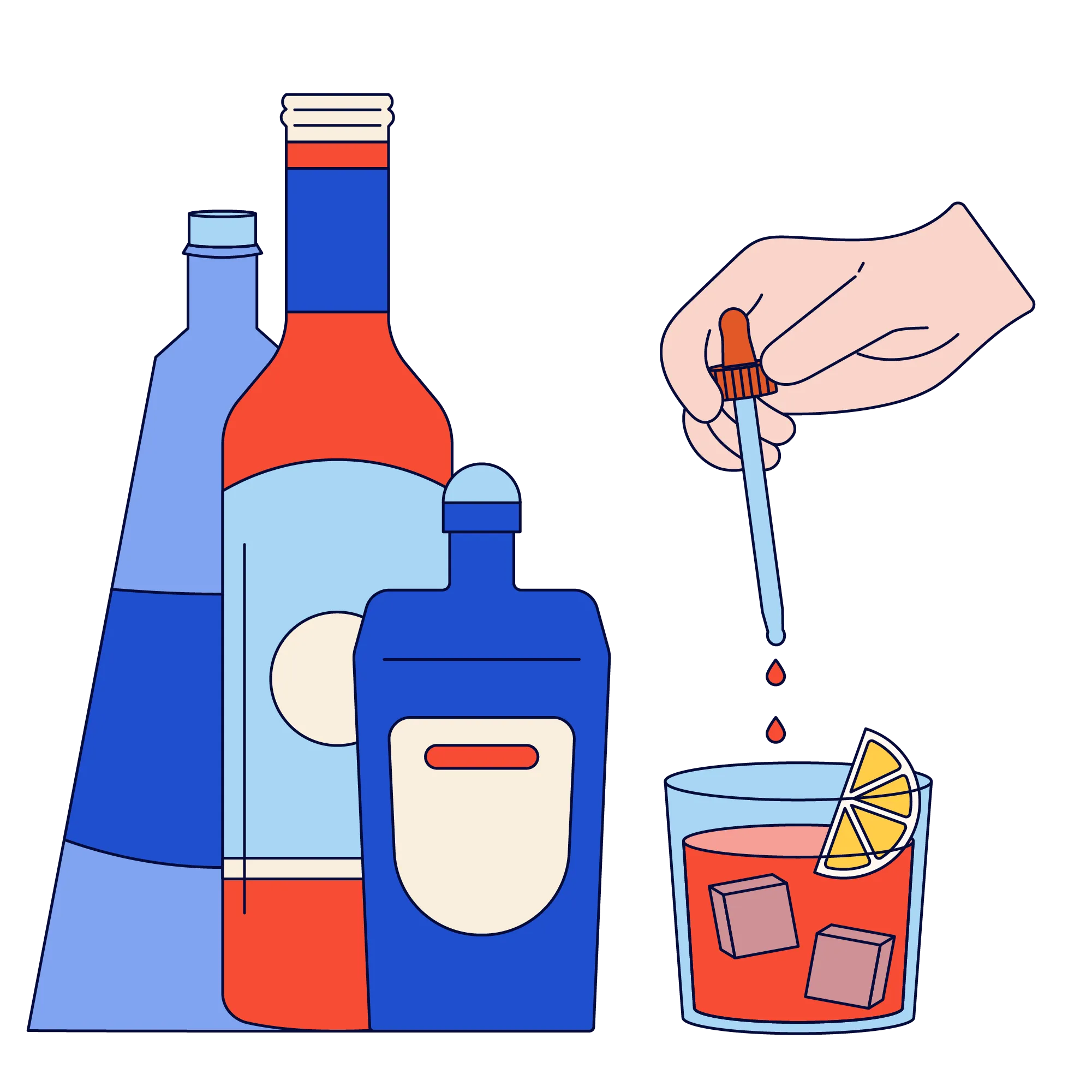
Gin, whiskey, rum, and tequila-inspired spirits form the backbone of a non-alcoholic cocktail program. NA spirits like Spiritless, Ish or Monday provide botanical depth, bitterness, and structure - the same roles alcohol plays in traditional drinks.
Use them as your drink’s main flavor base, then layer on a complementary ingredient (like citrus or syrup) and finish with something that adds complexity, such as bitters or an herbal element.
Since NA spirits tend to have a lighter body and intensity than their alcoholic counterparts, you may need to slightly increase the spirit or decrease the mixer to keep the drink balanced.
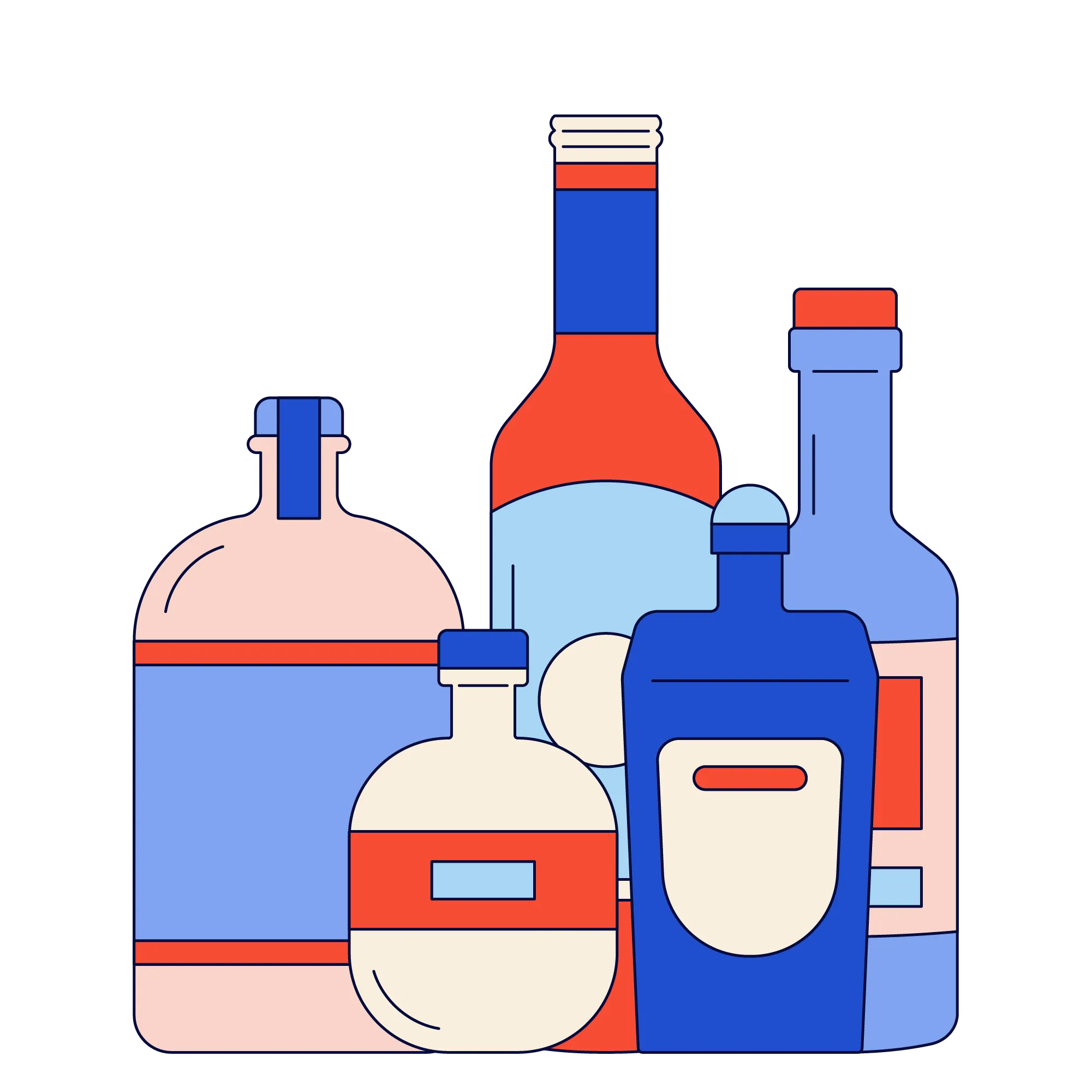
Bitter herbal blends like Pathfinder or Lapos are your go-to for slow sipping and complex flavor. Bitterness encourages mindful drinking, stimulates digestion, and adds a sophisticated edge. Swap them into spirit-forward drinks where you’d normally use amaro or vermouth, or blend with sparkling water for a light aperitif.
Adaptogen and nootropic-infused options like Aplós or Dromme offer more than flavor. They bring mood-boosting or focus-enhancing effects. Whether you’re winding down or finding your flow, these products add both purpose and personality to a drink. Try pairing them with citrus and sparkling water for an easy highball, or shake into an evening sipper.

Glycerin-based bitters, like those from All The Bitter, are the seasoning of the cocktail world. Using a small amount can transform the balance and depth of your non-alcoholic cocktail. Since NA bitters tend to be milder than alcohol-based ones, you can use them more liberally by layering flavor into sodas, spritzers, and NA Old Fashioneds.
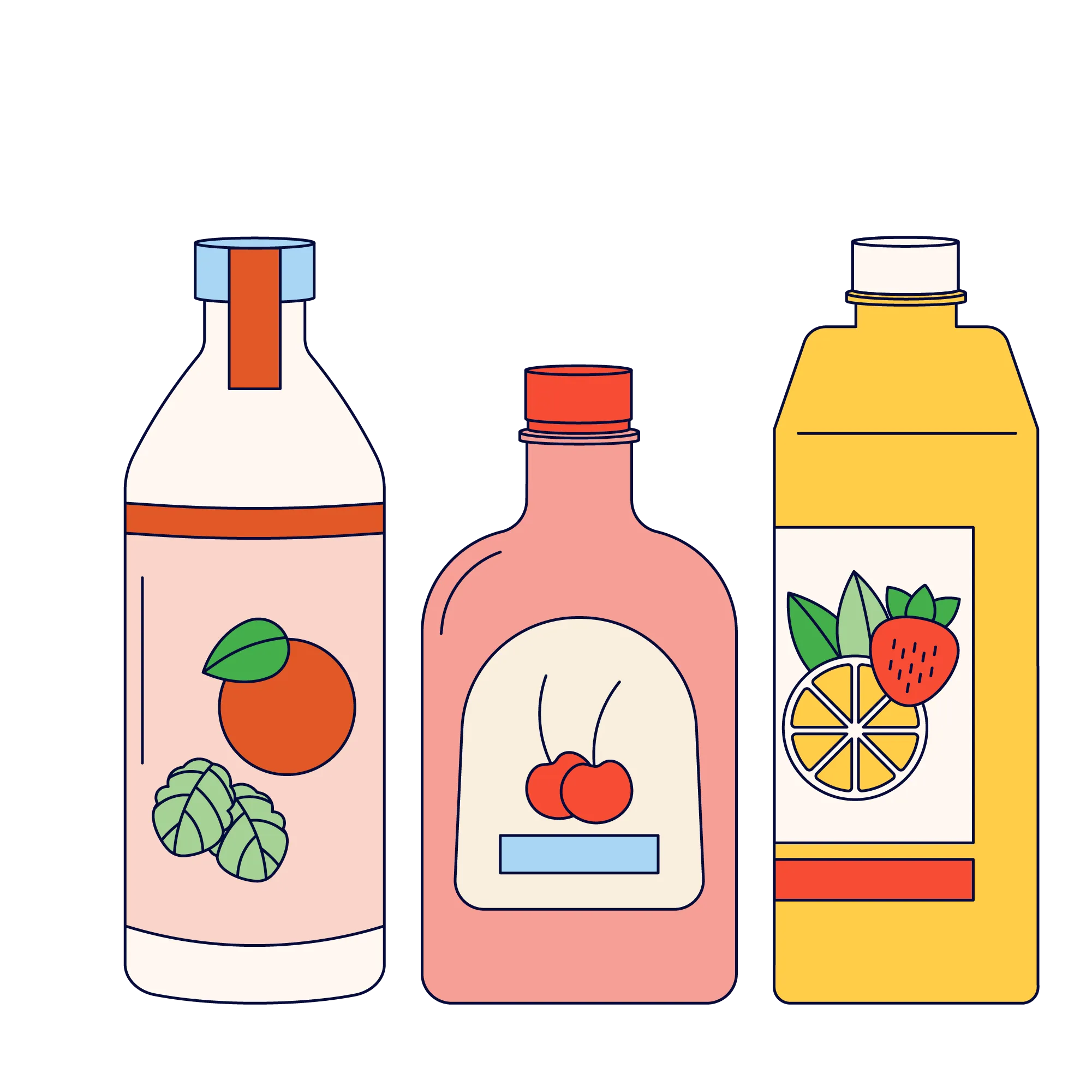
Artisan mixers are specialty blends designed for cocktails and mocktails that go beyond simple fruit juice. They often combine herbs, spices, and multiple fruits to create a more layered flavor profile. Examples include kombuchas, sparkling teas, and traditional cocktail mixers. They bring versatility and complexity, making them a quick way to add flavor and volume to a drink without extensive prep.
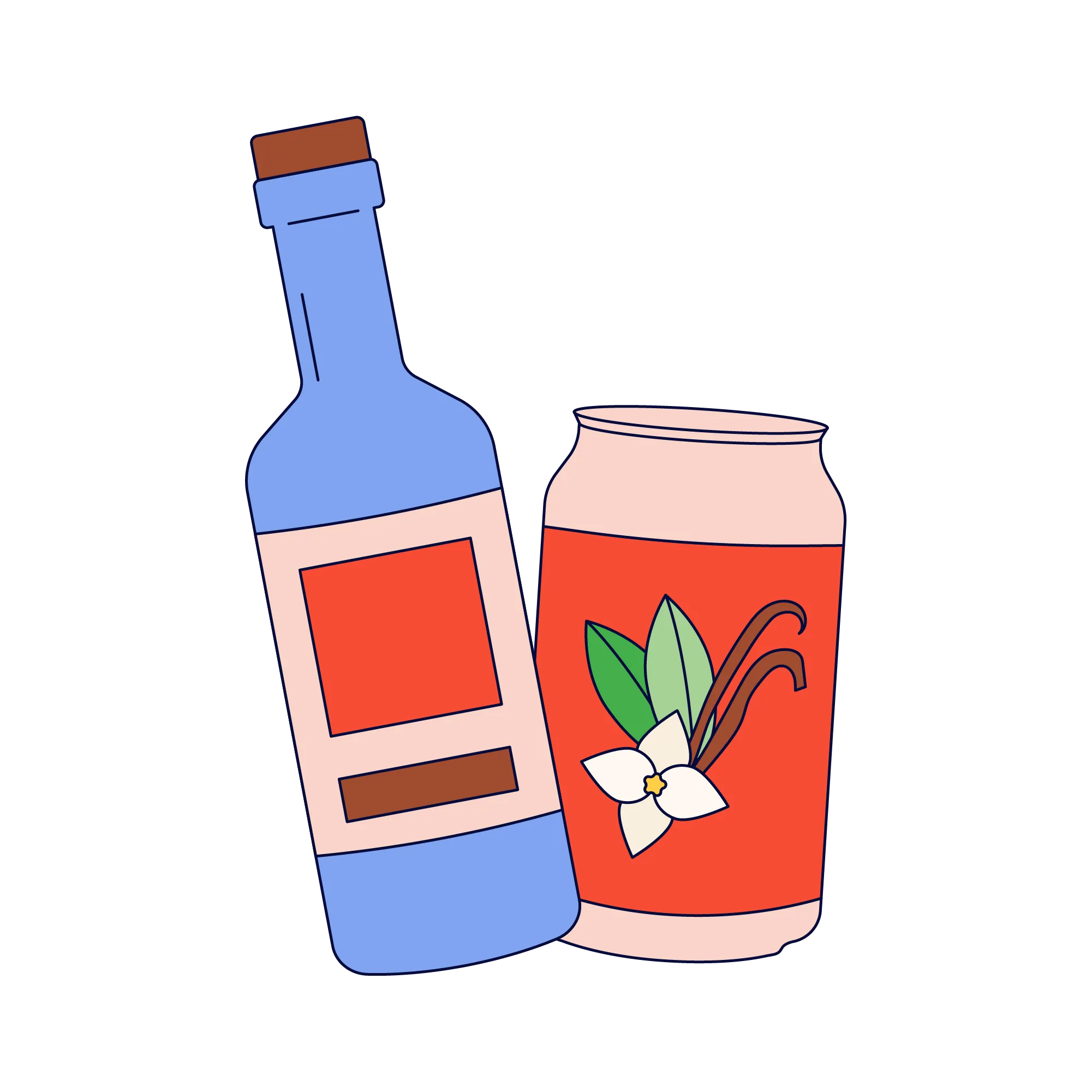
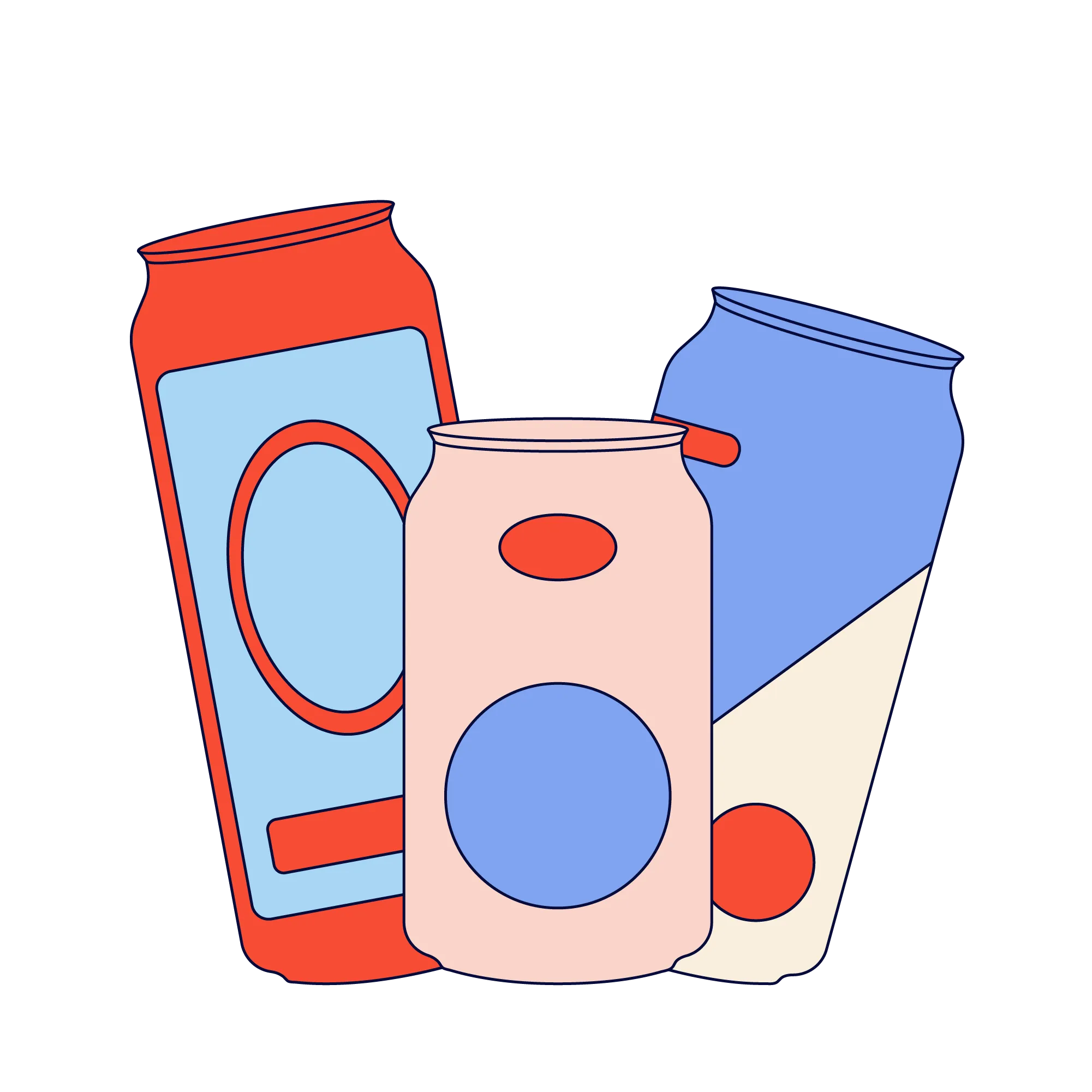
Canned mocktails make effortless entertaining possible and act as a to-go NA bar experience. They’re consistent, portable, and often balanced right out of the can. Serve them as-is, or dress them up with a citrus twist, bitters, or fresh herbs.
Dealcoholized wines and wine proxies bring tannins, acidity, and food-pairing potential to the NA space. Use them as the base for sangria-style mocktails, use them as the core of a spritz style drink with an NA aperitif, or serve them alongside a meal to keep the dining ritual intact.

From crisp lagers to aromatic IPAs, NA beers deliver savory bitterness and floral or citrus hop notes. They’re ideal for beer-based mocktails like shandies or micheladas - just add citrus juice, a pinch of spice, or an herbal syrup for something new.

A well-stocked NA product bar cart isn’t about replacing alcohol. It’s about expanding your beverage repertoire for every occasion and every guest. With the right products, a little know-how, and a touch of creativity, your zero-proof cocktails can stand confidently alongside the best full-proof drinks.
Raise a glass to mindful sipping! Get 15% off your order at The Zero Proof with this link (discount applied automatically at checkout)
Note: this is an affiliate link. If you decide to purchase, I’ll earn a small commission at no extra cost to you—which helps support my small business and keep these resources going.
Setting up a non-alcoholic bar cart starts with knowing what to stock and why. Below, we cover how NA spirits, wine proxies, functional beverages, NA beer, aperitif and digestif alternatives, and canned mocktails all fit into a well-built zero-proof collection.
A bar cart is just an organized space for your tools and bottles, so anything with shelving works. A bookshelf, a kitchen cart, a tray on a counter or even a dedicated cabinet shelf can hold the same essentials. What matters more than the furniture is grouping your non-alcoholic spirits, bitters, mixers and glassware together so building a drink feels like a fun ritual.
Not exactly, and that is by design rather than a flaw. NA spirits can capture botanical depth, bitterness and structure, but ethanol contributes body, warmth and aromatic carriage that current production methods cannot fully replicate. The ultimate goal is a well-built drink where every ingredient has a job, not one centered around being a replica of something else.
Non-alcoholic wine starts as traditional wine, then goes through dealcoholization using methods like vacuum distillation or spinning cone to remove the alcohol. A wine proxy never contained alcohol at all. It's built from scratch using teas, juices, botanicals and sometimes ferments to create the tannins, acidity and body associated with wine, without starting from grapes or fermentation.
Functional spirits are formulated with herbs and mushrooms that often have adaptogenic or nootropic qualities intended to support a particular mood or effect (like calm or focus). While these ingredients have long histories in traditional medicine evidence behind specific product claims varies. Treat any promised effect as a possibility rather than a guarantee.
Most NA beer is brewed the same way as traditional beer, then alcohol is limited through one of two approaches. Arrested fermentation stops the process early by controlling temperature before significant alcohol develops. Dealcoholization brews the beer fully, then removes the alcohol afterward, often through gentle heating or vacuum methods. Both aim to preserve the malt and hop character that makes beer taste like beer.
Canned mocktails and homemade cocktails serve different purposes rather than competing on quality. RTDs are convenient, consistent and ready to pour, making them ideal for low-effort entertaining or on-the-go moments. Making your own gives you control over balance, ingredients and presentation. Many people use both, reaching for cans some days and building from scratch on others depending on the occasion.
Want to bring the world of zero-proof cocktails to your corporate team? The Mocktail Tasting Experience is a guided, interactive tasting of curated non-alcoholic drinks — designed to spark conversation, build connection and introduce your team to one of the fastest growing beverage categories out there.
The Fundamentals of Non-Alcoholic Mixology teaches you how to work with non-alcoholic spirits, wine, bitters, and more so you can build drinks using the growing number of unique NA products. Join the waitlist to be the first to know when enrollment opens.
You want to create your own mocktails. Not just follow someone else's inspiration. But you're stuck guessing. We teach the foundations of exceptional zero-proof cocktails, so you can create with confidence, not cross your fingers.