Lila Volkas presents
Kombucha classes that make brewing booch easy, fun, and delicious
Since 2013, we’ve helped thousands of people brew their first batch, befriend their SCOBY, and feel confident making kombucha at home.
Lila Volkas presents
Since 2013, we’ve helped thousands of people brew their first batch, befriend their SCOBY, and feel confident making kombucha at home.


.svg)


Let's talk

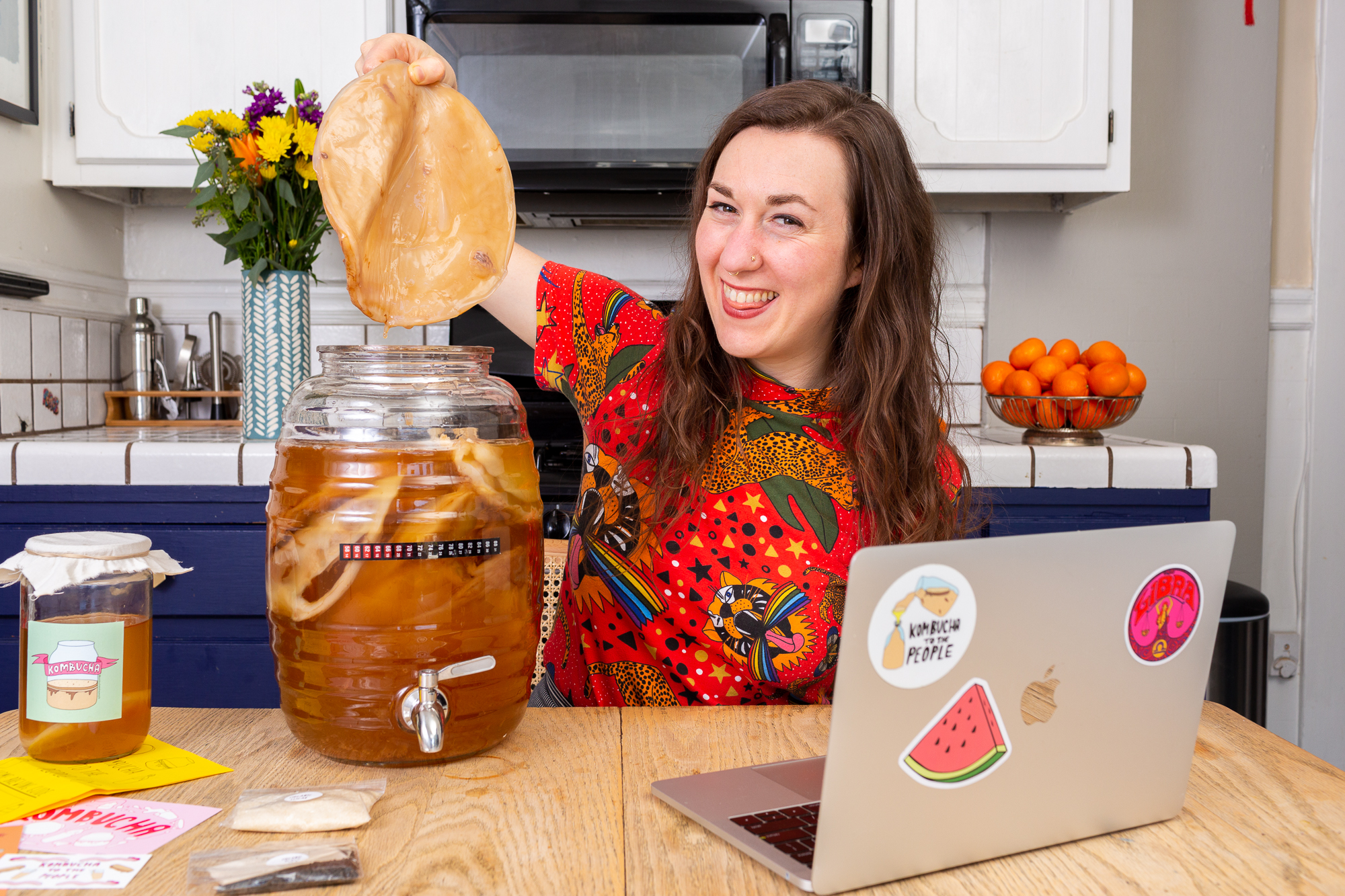
Kombucha is just sweet tea, fermented with a rubbery little ecosystem called a SCOBY* (think: sourdough starter’s tea-based cousin). Once you learn the basics, you can brew batch after batch and have kombucha on tap for life.
*An accronym for Symbiotic Culture of Bacteria and Yeast — which sounds way more intimidating than it actually is. It's just bacteria and yeast living their best lives together, turning your sweet tea into a probiotic beverage.


Such a fun and fascinating workshop! The host was incredibly engaging and knowledgeable. She walked us through making a batch step by step and shared so many helpful tips along the way. I left feeling inspired and ready to start brewing at home.

Because it’s delicious. Because those $5 bottles add up fast. And because there’s something amazing about feeding a jelly fish-like blob sweet tea and watching the microbes do their magic.

We get it. Fermentation sounds intimidating. But it doesn’t have to be.
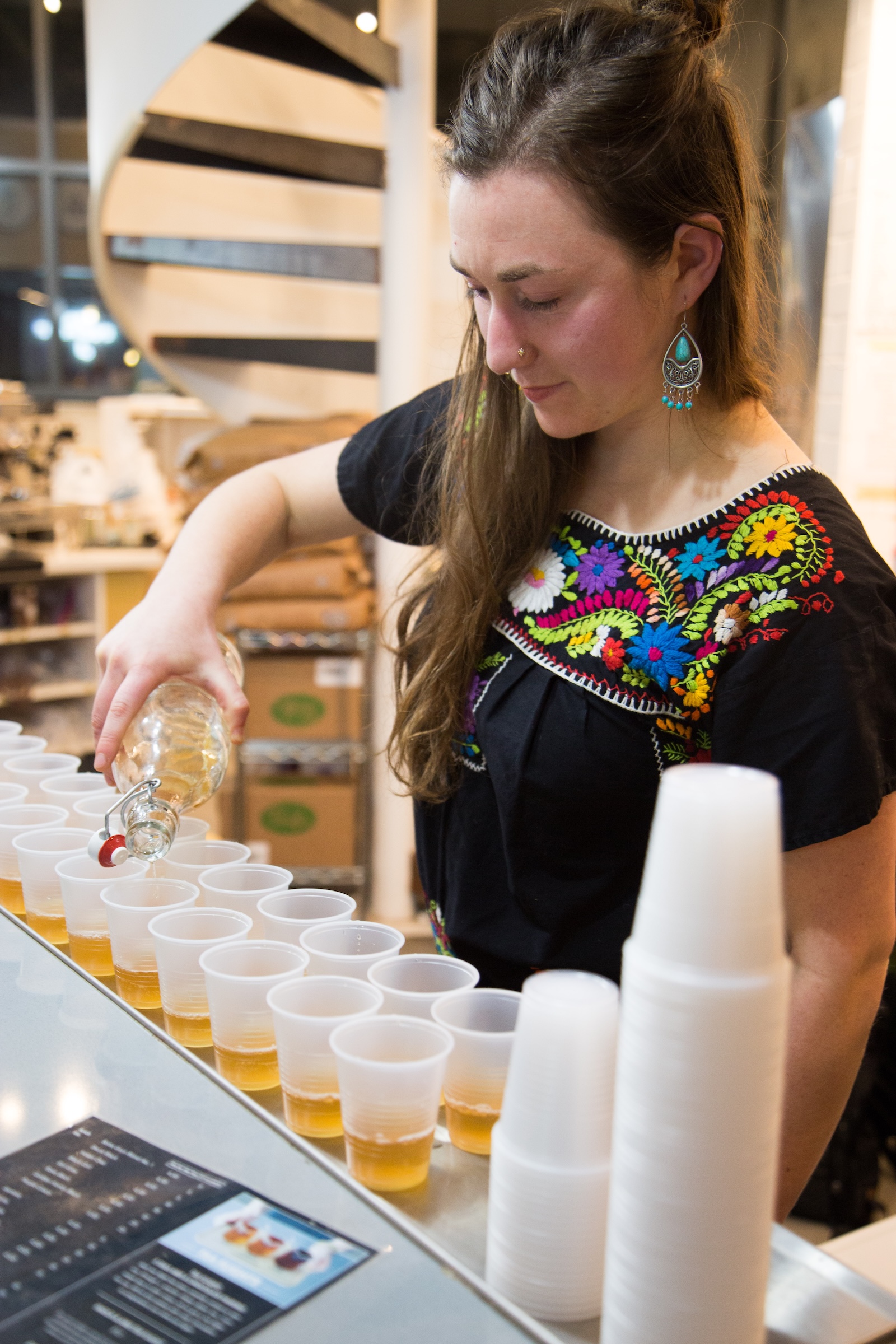
Kombucha to the People offers live experiences designed to introduce people to their first fermentation in a way that feels doable, empowering, and totally delicious.
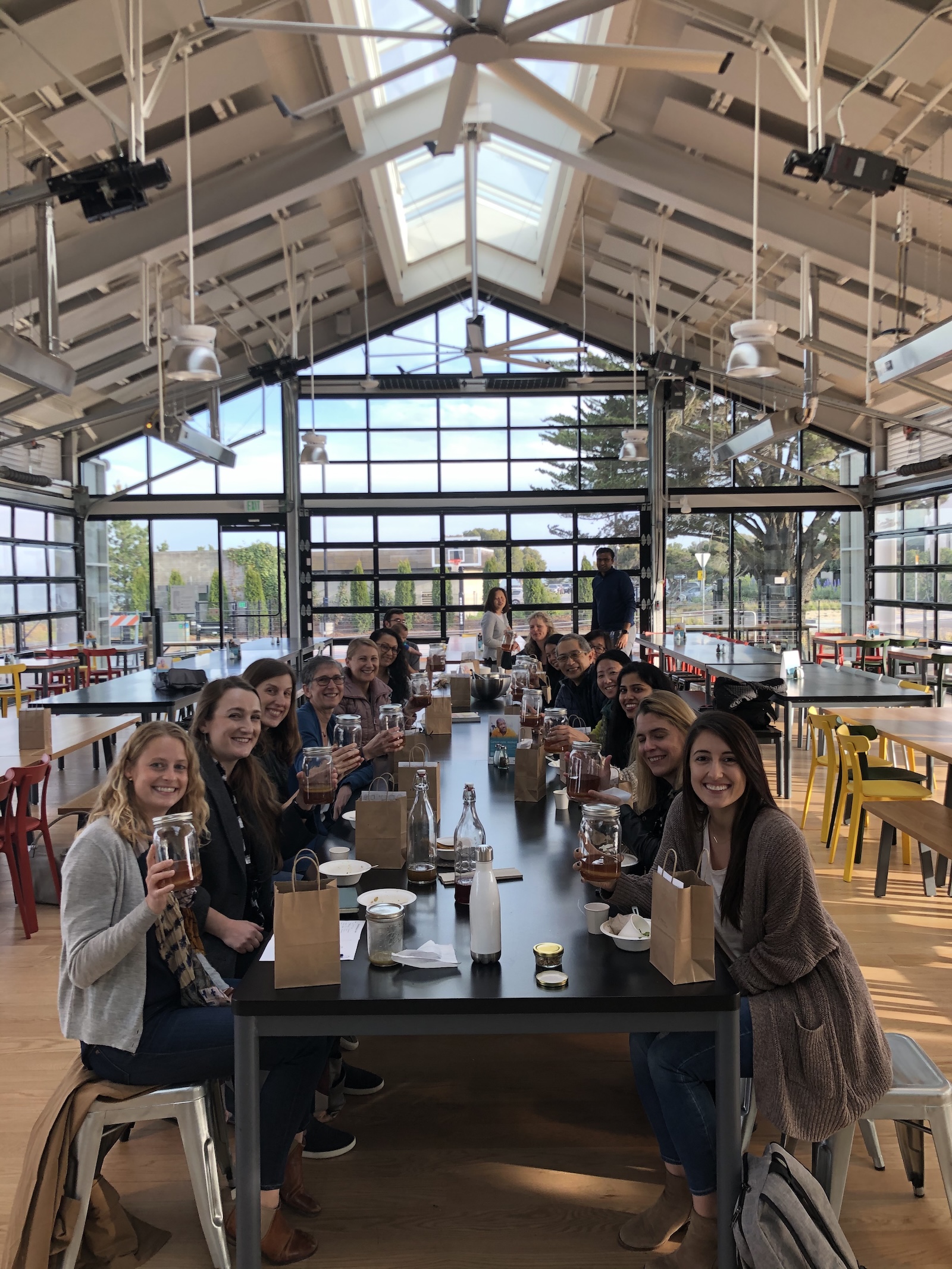
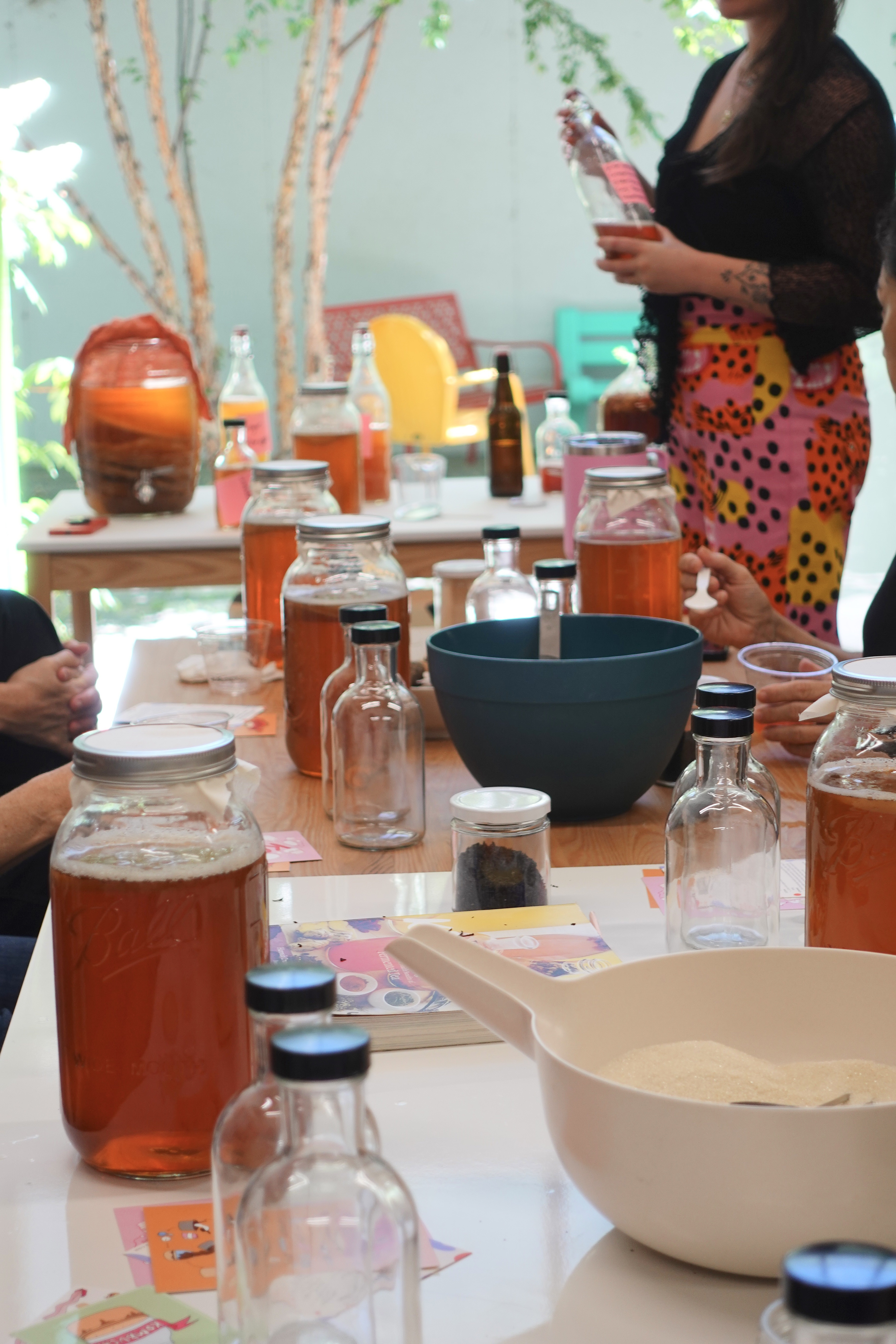
Live, virtual, or in-person workshops. Attend solo, with friends, or bring your whole team.
Real-time guidance, endless questions welcomed, and zero judgement zone. Perfect if this is your first foray into fermentation.


Walk away with a SCOBY that will make endless kombucha and knowledge & resources that will help keep your culture alive (pun intended).
Come curious, leave confident. Perfect for beginners who want to learn how to make kombucha that tastes yummy and is seriously not hard to make. Find a kombucha class near you →
Give your team something they’ll talk about (and sip on) for weeks, with take-home SCOBYs as proof. We handle the facilitation, you handle taking credit for the brilliant idea. Plan your team’s kombucha workshop →

From SCOBY health checks to sugar ratios that work to secondary fermentation timing, we’ve documented every question you’ll be asking ChatGPT while checking your brew.
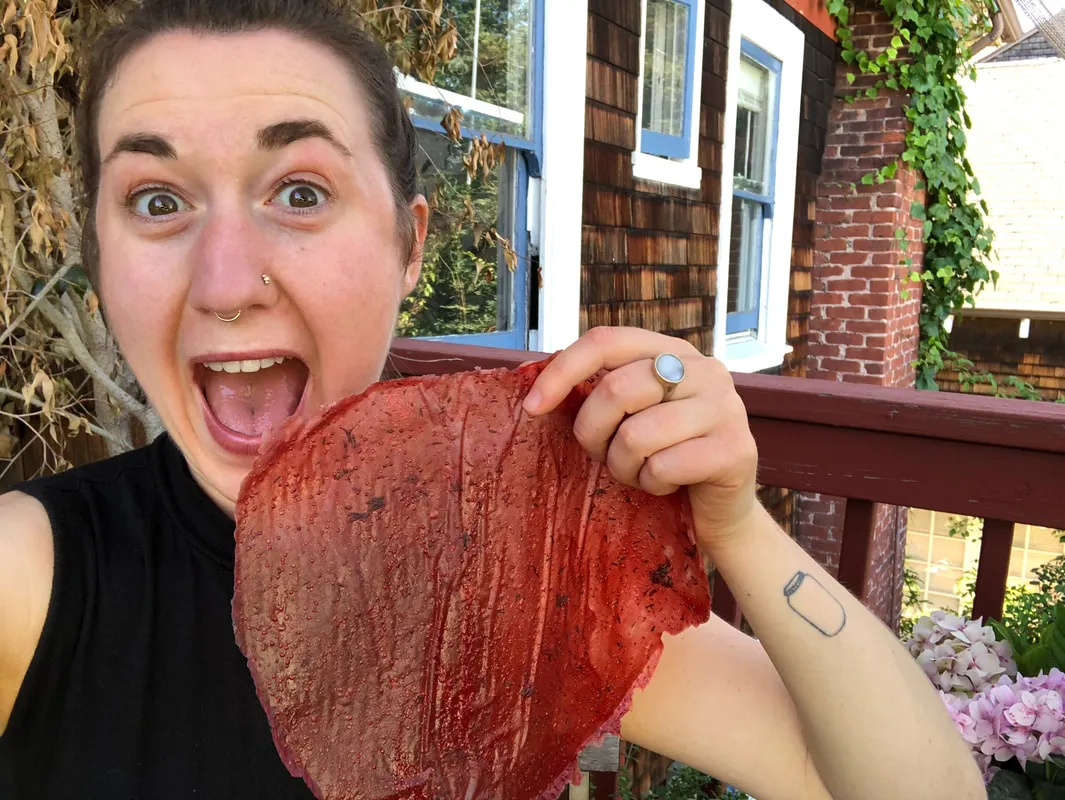
Guides and recipes, like kombucha vinegar and SCOBY fruit leather (yes, that’s a thing).

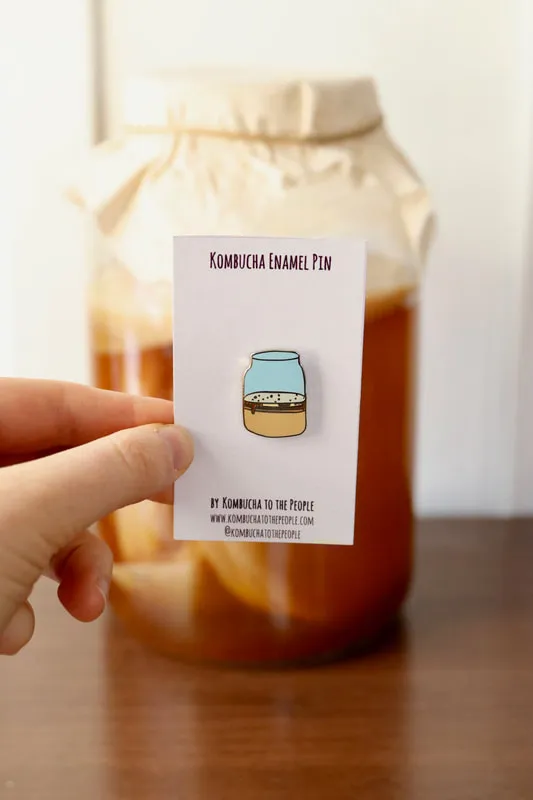
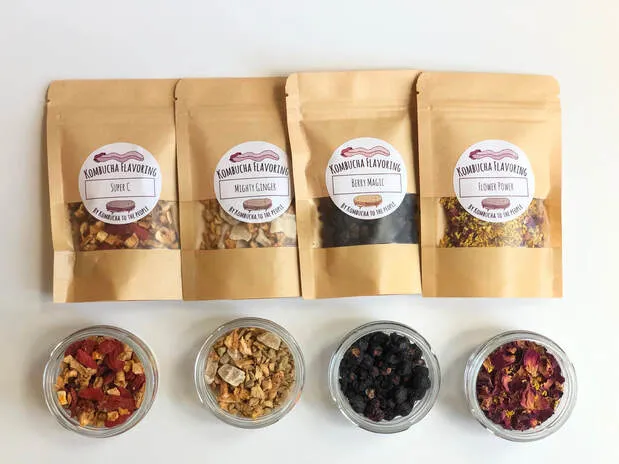
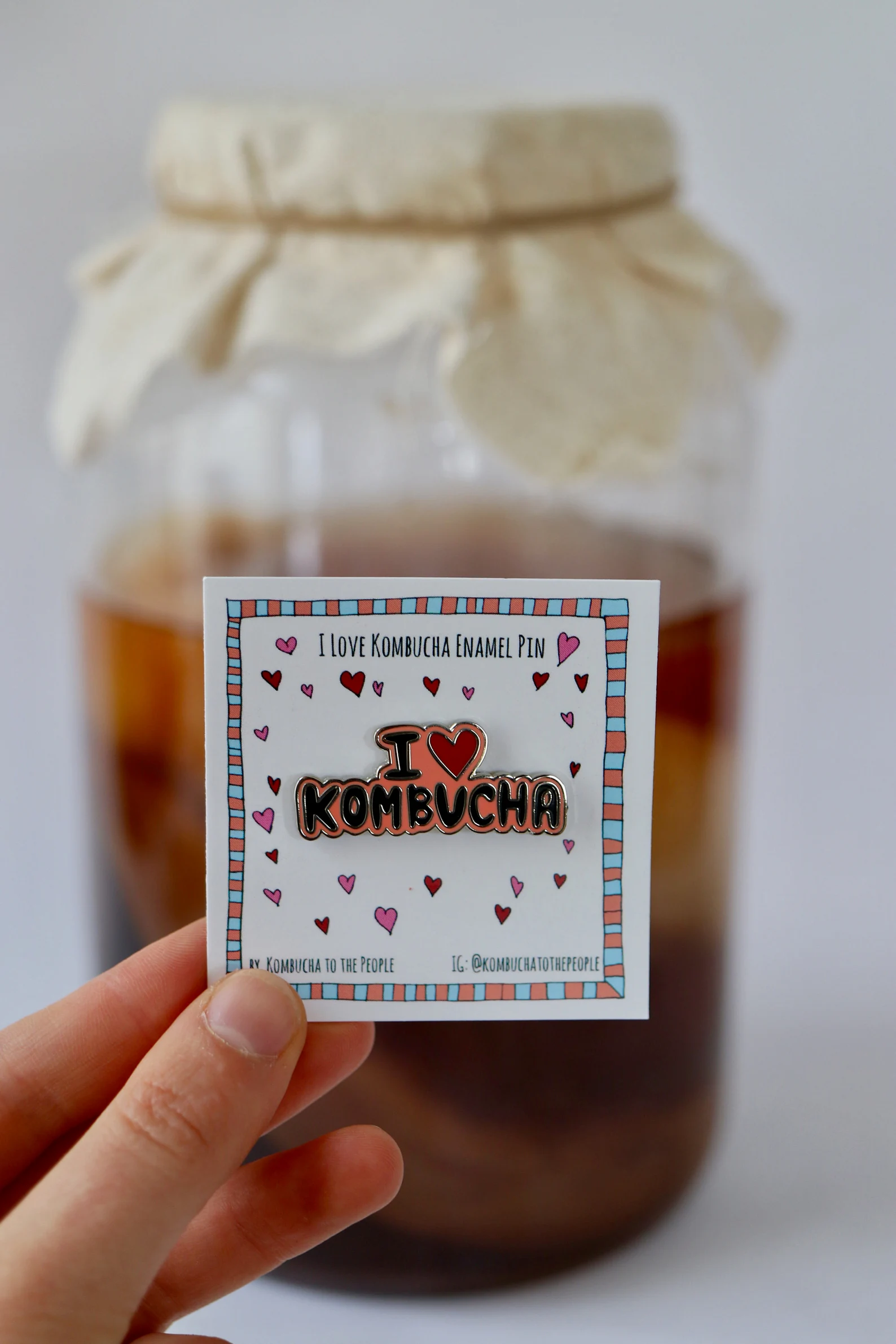
Flavorings to make flavoring your booch easy. Pins for the proud. we’ve got you covered if you want to jazz things up.
Browse the shop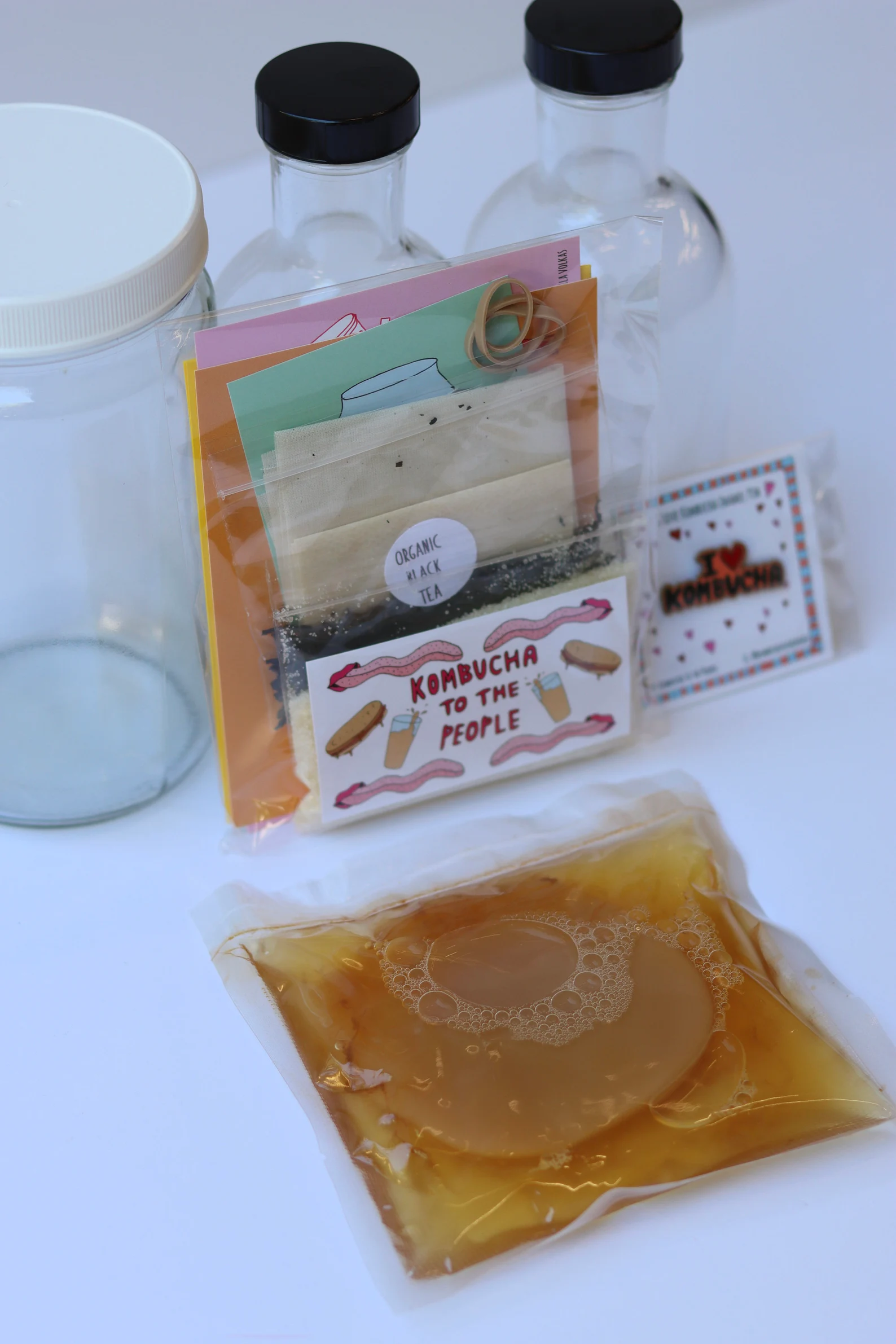

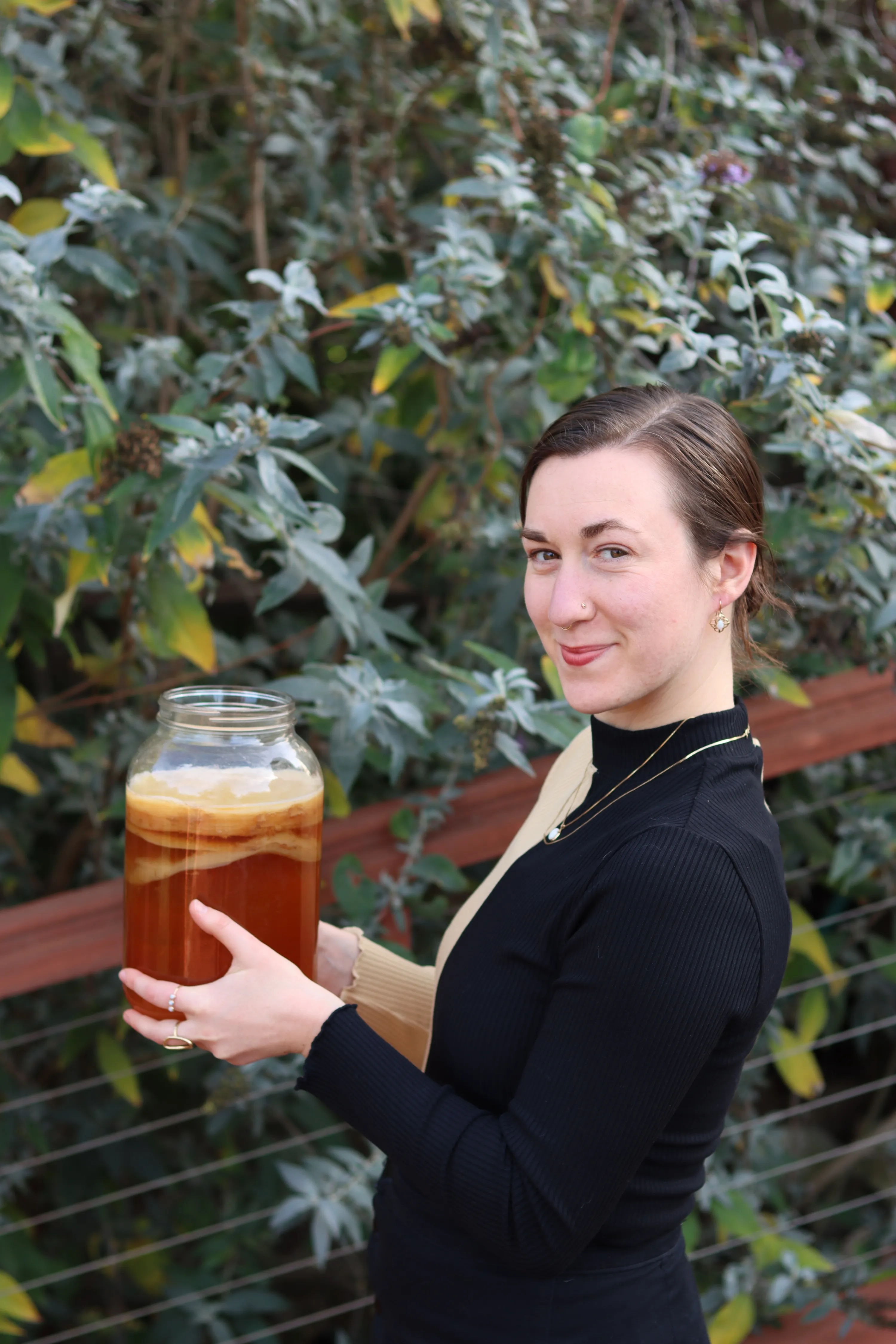
Lila started brewing kombucha in 2012, back when most people thought it was a mushroom. (It’s not). With a holistic nutrition background and a teaching style that keeps things fun, she has guided thousands through their first ferment.
These days, she’s on a mission to make kombucha accessible to everyone — from skeptical CFOs to enthusiastic home brewers to that friend who’s “really into gut health right now.”
About Lila
2012: Got handed a piece of slimy SCOBY on a blueberry farm in Vancouver Island. Fell in love after one sip. Started brewing the moment she got home.
2012: Friends kept asking about the "moonshine" she brought to art history class. Taught her first workshop through Sprouts, the student food co-op.
2016: What started as sharing jam jars with friends turned into a 40-person workshop at Boba Guys in San Francisco.
2017: First corporate workshop. The SCOBY had officially gone professional.
2019: Founded Kombucha to the People — making the community she'd been building all along into something real.
Today: Lila continues teaching, brewing, and sharing her SCOBY lineage — now passed from person to person through hundreds of home brewers — growing a community connected by fermentation and curiosity.
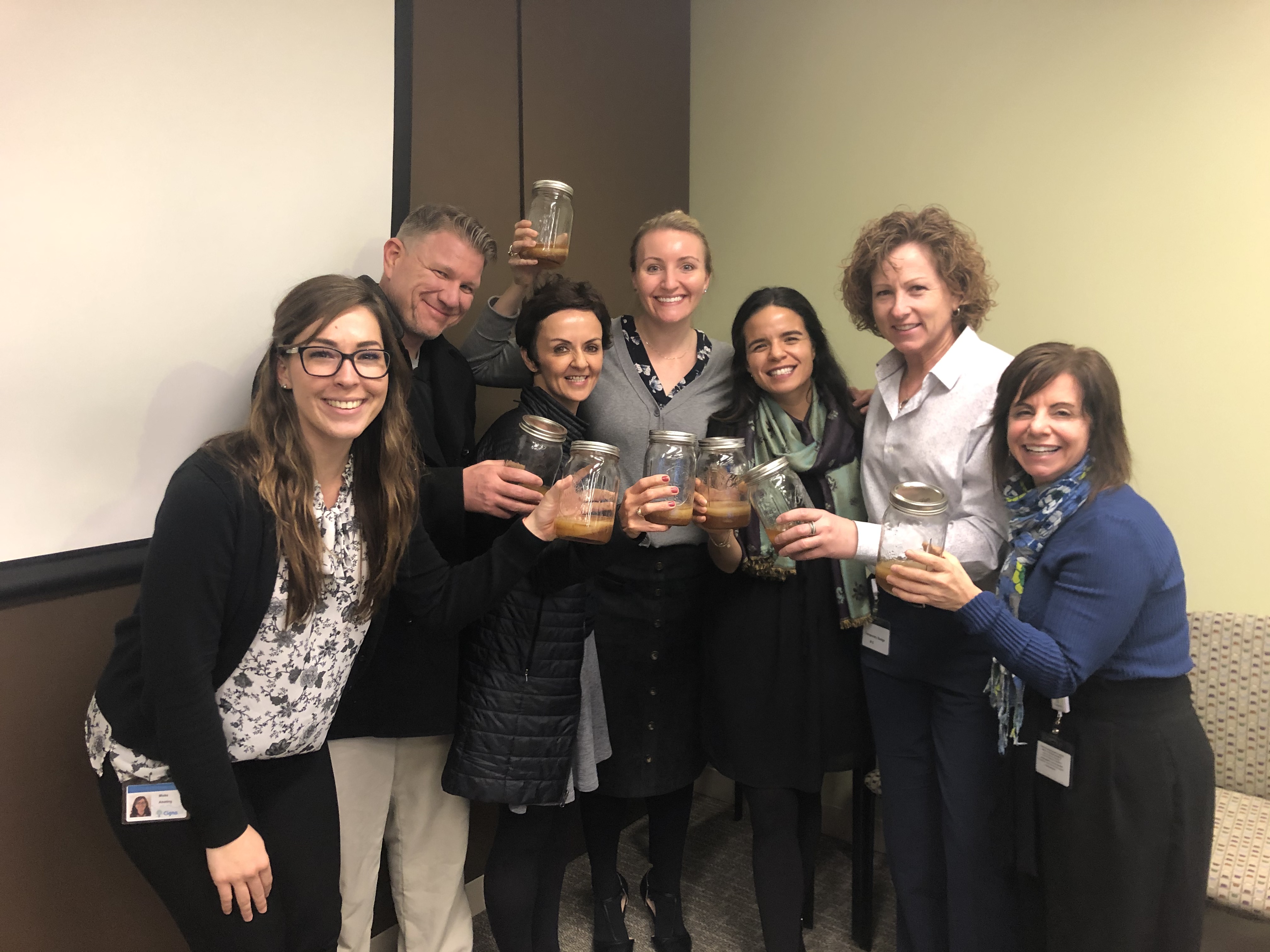
One of the best parts of these workshops is taking people’s kombucha obsession and turning it into a life long skill.
Picture this — kombucha becomes the thing your team bonds over. They stay connected through something they’re actively doing, not just remembering. And somewhere, a SCOBY named SCOBY-Doo is living its best life in someone’s kitchen.

The culture is calling. (The bacterial one and the community one, too.)

Kombucha is a fermented tea made by adding a SCOBY (Symbiotic Culture of Bacteria and Yeast) to sweetened tea. During fermentation, the yeast break down the sugar into alcohol and carbon dioxide, and the bacteria convert the alcohol into organic acids.
The result is a slightly sweet, slightly tangy, naturally fizzy drink that contains live cultures, organic acids, and small amounts of alcohol. Kombucha has been brewed and enjoyed for thousands of years for its unique flavor and potential digestive health benefits.
SCOBY stands for Symbiotic Culture of Bacteria and Yeast. It’s a cellulose-based biofilm produced by acetic acid bacteria during fermentation, and it serves as the home for the microbial community that transforms sweet tea into kombucha.Here’s how it works:
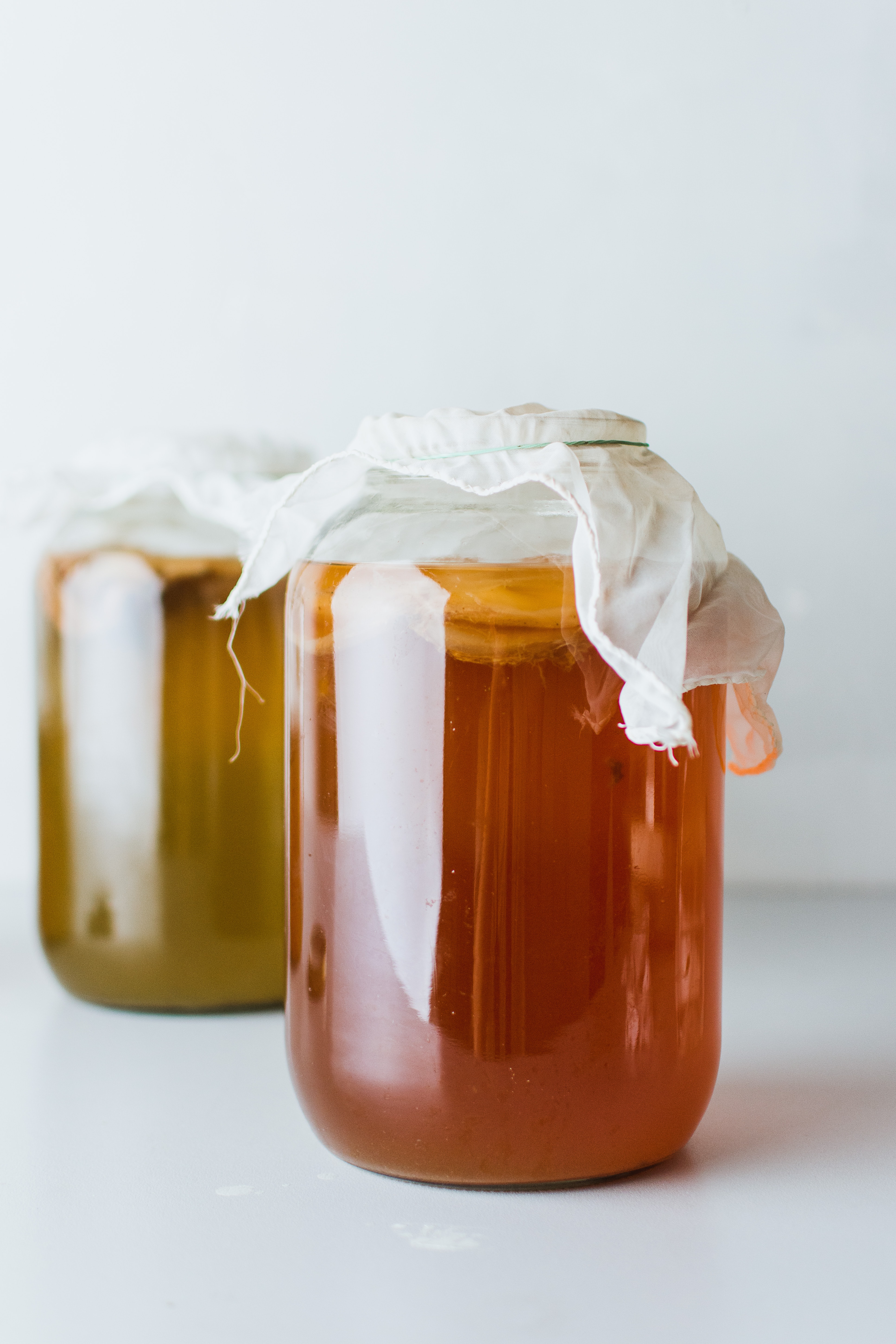
The SCOBY itself forms at the top of the liquid as a thick, rubbery layer of microbial cellulose. It’s not a fungus or mushroom, even though it’s sometimes called a “tea mushroom.”It might look odd, but it’s essential—and it’s doing all the hard work of fermentation behind the scenes.
Kombucha is made by fermenting sweetened tea with the help of a SCOBY and some already-brewed kombucha (starter tea). Here's the basic process:
The yeast and bacteria work together during fermentation to transform the sweet tea into a naturally fizzy, slightly sour, probiotic-rich beverage.
Kombucha tastes slightly sweet, tangy, and lightly fizzy. The flavor can vary depending on how long it ferments and what you add during secondary fermentation.
No worries - your kombucha has simply over-fermented and turned into kombucha vinegar. While it might be too tart to sip straight, it’s far from a lost cause.Here’s how you can use it:
To prevent this in the future, try shortening your brew time, especially in warmer weather when fermentation speeds up. Taste your kombucha starting around day 5 to catch it before it gets too strong.
Kombucha ferments best between 68°F and 78°F. If your home is cooler than that, fermentation can slow down significant or even stop leading to weak brews or mold risk. Here are some simple ways to keep your kombucha warm:
Always check the temperature with a thermometer if you're unsure - keeping your brew within the ideal range will give you the best flavor and fizz.
Temperature plays a key role in how your kombucha ferments. The ideal range is 68°F to 78°F. Within this range, you get the best balance between yeast and bacteria, resulting in a brew that’s flavorful, fizzy, and not overly sour or flat.Here’s how temperature affects your brew:
Maintaining a steady, moderate temperature gives you the most consistent and delicious results.
Kombucha is an acidic beverage, and its pH is typically between 2.5 and 3.5 once fully fermented. This acidic environment is key to its safety and success.To understand pH:
The low pH of kombucha helps prevent the growth of harmful microorganisms, making it a naturally self-preserving drink. Maintaining a proper pH ensures your brew is both safe and effective—especially during the early stages of fermentation when the SCOBY is still establishing itself.While it’s not required, you can use pH test strips or a digital pH meter to monitor your kombucha, especially if you’re new to brewing or want more control over the flavor and safety of your batches.
Secondary fermentation is the step that comes after your kombucha has finished brewing in your main jar with the SCOBY. This is where you get to flavor your kombucha and build carbonation.You have two options when your primary fermentation is done:
During secondary fermentation, the kombucha is bottled (without the SCOBY), and sugars from fruits, sweeteners or juices are added. The yeast in the kombucha eats these sugars and produces carbon dioxide, creating that signature kombucha fizz. This is where most of the bubbly magic happens.
Some of my favorite flavorings:
Fresh or dried fruit, herbs, spices, fruit juice, or my own herbal kombucha flavoring blends. These not only taste great but can also boost the nutritional benefits of your brew.How to bottle your kombucha for secondary fermentation:
Your kombucha is now ready to enjoy cold and bubbly!
Nope! Secondary fermentation is optional. You can absolutely drink your kombucha straight from the primary fermentation once it tastes how you like it. It will be lightly carbonated, if at all, but still tangy and probiotic-rich.
If you're ready to enjoy it, simply bottle it and store it in the fridge to slow fermentation—or sip it at room temperature.
Secondary fermentation is mainly used to add flavor and fizz. If you're happy with how your kombucha tastes right after the first ferment, there’s no need to take it any further.
The best bottles for secondary fermentation are glass bottles with a tight seal, which helps trap the carbonation as it builds.
My top choices include:
Avoid plastic containers or mason jars with loose-fitting lids—these can’t maintain pressure and may result in flat kombucha or, worse, leaks or spills. If you’re reusing bottles, make sure they’re thoroughly cleaned and check for any cracks or weakened seals before using.
Flavoring your kombucha happens during the secondary fermentation—that’s everything that takes place after your kombucha is done brewing with the SCOBY.
Once you remove the SCOBY and set aside your starter tea, you can pour the plain kombucha into bottles and add your favorite flavorings. This is where you can get creative with fruit, juice, herbs, spices, dried flowers, and extracts.
Important: I don’t recommend adding fruit, juice, or flavored tea during primary fermentation, as these can interfere with the health of your kombucha culture and throw off the balance of yeast and bacteria.Stick to plain black, green, oolong, or white tea in your first ferment, and save the flavor magic for the second.
Yes! It’s totally normal for a small SCOBY (or a thin film) to form during secondary fermentation. This just means the yeast and bacteria in your kombucha are still active and continuing to ferment, even in a sealed bottle without access to oxygen.
These mini cultures are harmless, but if you’re not into the goopy texture, simply strain them out before drinking. They’re a sign of a living, thriving brew—nothing to worry about.
Most of the fizz in kombucha develops during secondary fermentation, when the yeast feed on added sugar and create natural carbonation. If your brew is feeling a little flat, here are my favorite ways to boost the bubbles:
Once your kombucha is nice and bubbly, strain out any solids (if needed) and pop it in the fridge to slow fermentation and chill it down.
And remember - homemade kombucha might not be quite as fizzy as store-bought versions, which are often force-carbonated. But you can always mix it with sparkling water for an instant fizz boost!
Kombucha lasts a long time in the fridge thanks to its natural acidity. I recommend drinking it within 3 weeks for the best flavor and fizz, but it can stay good for up to 3 months if stored properly in a sealed bottle.
Over time, the flavor may become more tart and the bubbles might mellow out - but it’s still safe to drink as long as it smells and tastes right. If you see mold or it smells off (like rotten eggs or cheese), it’s time to toss it.
No, a kombucha SCOBY is not a mushroom or fungus. SCOBY stands for Symbiotic Culture of Bacteria and Yeast. It’s sometimes nicknamed a “mushroom” because it looks like one, but that’s a misnomer. A SCOBY is actually a cellulose-based biofilm formed by the fermentation process.
Brown, gloopy thing = yeast
Not a fan of yeast? Strain it out! Use a clean fine mesh strainer to filter out those ‘gloopies’ in your bottling process.Those brown, stringy or gloopy bits in your kombucha are just yeast strands—totally normal and a sign that fermentation is happening. Too much yeast can affect taste. Common causes include:
Pro tip: Stir your brew before bottling or strain out excess yeast with a fine mesh strainer.
If your SCOBY is more than 3 inches thick, it’s time for a “SCOBY haircut”! Keeping your SCOBY trimmed helps ensure balanced fermentation and prevents overly fast brews. Most people trim every 2-5 months. Always use clean hands and tools, and peel or cut from the bottom up.
Mold is one of the few real deal-breakers when it comes to brewing kombucha. While stringy yeast, odd textures, and even some unusual smells are totally normal, mold is not.
Mold looks dry and fuzzy and is typically white, green, blue, gray, or black. It grows on the surface of the SCOBY or liquid. If you were to touch it (which we don’t recommend), a powdery residue might come off on your finger.
Bottom line: If you see mold, you must throw away the entire batch SCOBY and liquid. Mold can release toxins that may contaminate the whole brew, even if you remove the visible spots.
Common reasons your SCOBY grew mold:Mold is a sign that your brew isn’t acidic or active enough to fight off outside contaminants. Here are the most common culprits:
I don’t recommend storing your SCOBY in the fridge. Cold temperatures slow down or stop the activity of the yeast and bacteria, making them less effective once you start brewing again. This can lead to an imbalanced fermentation and increase the risk of mold.
If you need to take a break from brewing, check out the “How to take a break from brewing kombucha” section for safe long-term storage tips.
Not at all. Healthy SCOBYs can float, sink, or hover somewhere in between—it’s all normal. When you first add a SCOBY to a fresh batch of sweet tea, it may sink to the bottom, but that doesn’t affect its ability to ferment.
A new SCOBY layer will begin forming on the surface of your brew within a few days. Sometimes the original SCOBY can also shift positions mid-brew, especially if there's a sudden change in temperature.
If you need to pause your kombucha brewing, you can safely store your SCOBY at room temperature for several weeks. Here's how:
To feed your SCOBY:
Repeat this feeding every 4-8 weeks to keep your SCOBY healthy and active.It’s also a good idea to check in weekly to make sure the liquid hasn’t evaporated too much. If it has, top it off with additional sweet tea.This method is sometimes called making a “SCOBY hotel” - a resting place to keep your culture alive between batches.
Glass is the best choice for brewing kombucha. It's non-reactive, easy to clean, and allows you to see what's happening during fermentation. Look for a wide-mouth glass jar, which gives you plenty of space to get your SCOBY in and out.
You can also use food-grade ceramic containers, but be sure the glaze is lead-free and fermentation-safe. Some older or decorative ceramics may contain harmful metals or coatings that can leach into your brew.
Avoid plastic, metal, or crystal containers, as these materials can react with the acids in kombucha or harbor unwanted bacteria.Stick with glass, and you'll set your brew up for success.
To keep your kombucha safe and thriving, it’s important to clean your equipment properly—but gently.
Consistent, careful cleaning helps prevent contamination and supports a healthy fermentation environment.
I recommend using plain black tea - it's the most reliable option and provides important nutrients that help keep your SCOBY strong and healthy.You can also use other true teas from the Camellia sinensis plant, such as:
Each will give your kombucha a different flavor and fermentation speed.
If you’re using green, oolong, or white tea, avoid flavored teas (like Earl Grey or peach tea) and herbal teas (like chamomile, mint, or hibiscus) during primary fermentation. They often contain oils or added ingredients that can interfere with fermentation or harm your SCOBY.
If you want to use herbal or flavored teas, save them for your secondary fermentation, when your SCOBY is no longer involved.
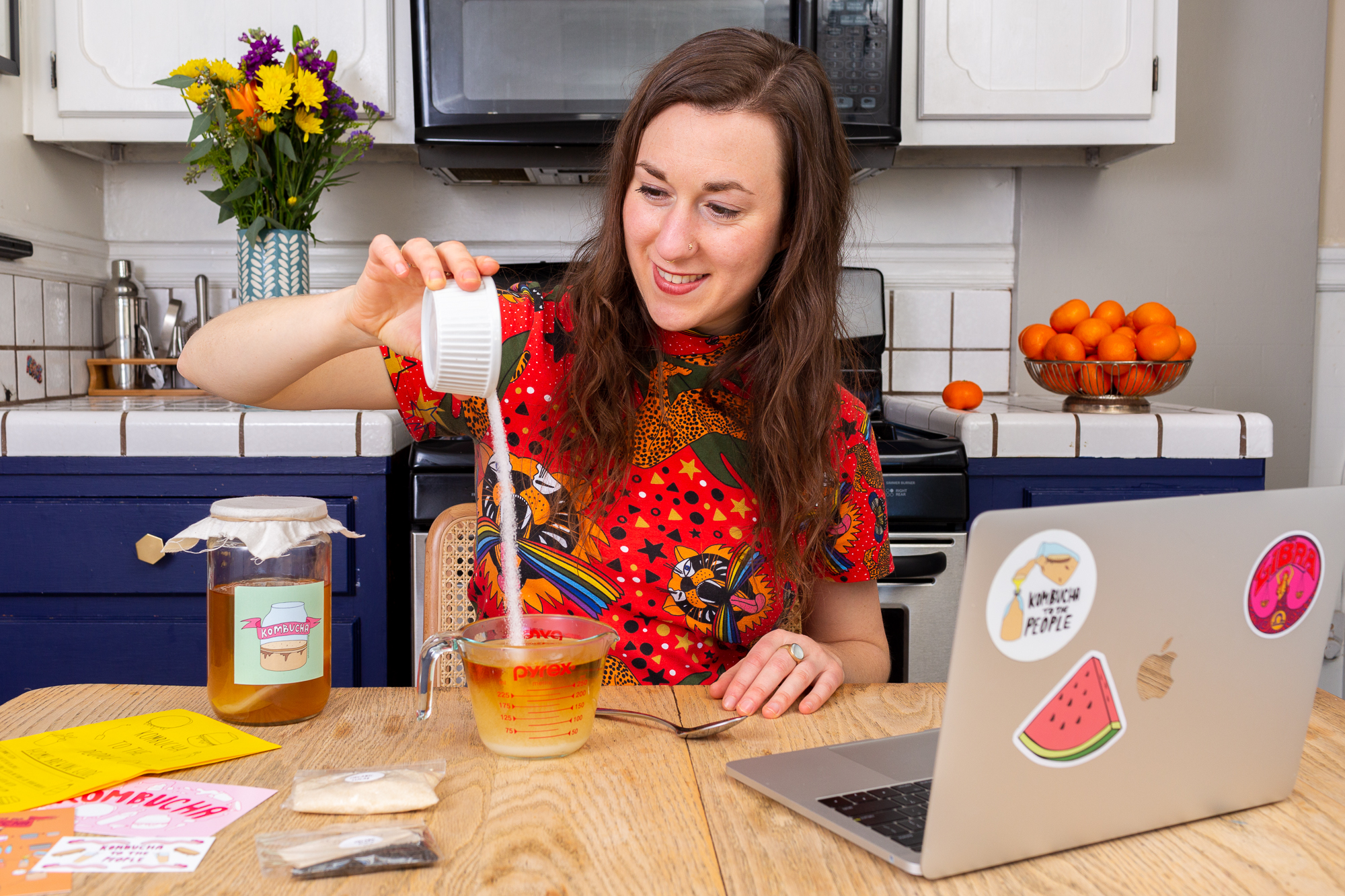
My go-to ratio is 1 cup of sugar per 1 gallon of sweet tea. This amount provides the right fuel for the yeast and bacteria in your SCOBY to ferment properly.You can scale the amount up or down depending on how much kombucha you're brewing. Just be sure to keep the ratio the same for consistent results.
Don't worry - most of the sugar will be consumed during fermentation, so the final drink will be much lower in sugar than what you started with.
The best sugar for brewing kombucha is plain granulated cane sugar, ideally organic. This type of sugar is easily metabolized by the SCOBY, providing a consistent and reliable fermentation process. It supports a healthy balance between yeast and bacteria, resulting in a well-balanced brew.Why cane sugar?
Sugars to approach with caution:
Best practice: For consistent and safe fermentation, stick with plain cane granulated sugar, preferably organic. Once you have experience and a healthy SCOBY, you can experiment with other sugars, keeping in mind that they may alter the fermentation process and flavor of your kombucha.
Yes. Sugar is essential to the kombucha fermentation process. But don’t worry, the sugar in your sweet tea isn’t meant for you—it’s for the microbes that make kombucha possible. Here’s what happens:
If you prefer less sweetness, the easiest solution is to let your kombucha ferment longer. The yeast and bacteria will continue to consume the sugar over time, resulting in a more tangy and less sweet brew.For example, a typical 14-day fermentation will leave around 3 to 6 grams of sugar per 8 oz of plain kombucha—much lower than what you started with.
If you’re flavoring your kombucha in a second fermentation, you can keep sugar content low by using herbal ingredients like ginger, cinnamon, or dried flowers instead of sweet fruit or juice. These add great flavor without extra sugar.
Starter liquid (also called starter tea) is plain, unflavored kombucha from a previous batch. It’s essential because it helps lower the pH of your new batch right away, creating an acidic environment that protects against mold and kickstarts fermentation.You should use at least 2 cups of starter liquid per gallon of sweet tea.For best results:
Always avoid using flavored or carbonated kombucha as starter tea. Stick with plain, fully fermented kombucha for a healthy, active brew.
Yes - as long as you follow proper brewing practices, kombucha is generally very safe to make at home. It’s actually safer than many other home-fermented foods because of its naturally low pH, which creates an acidic environment that prevents harmful bacteria from growing.
That said, kombucha should always be made with clean tools, high-quality ingredients, and attention to temperature and storage. I always tell my workshop attendees:
If you see mold, toss the whole batch - no exceptions.
Also, trust your body. If something smells or tastes off, or if you don’t feel good after drinking it, don’t force it. Everyone’s system is different, especially when it comes to fermented foods. When in doubt, it’s always okay to start fresh.
Everyone’s body is different, so there’s no one-size-fits-all amount. If you’re new to kombucha or fermented foods in general, I recommend starting with 4 to 8 ounces a day and seeing how you feel.
Kombucha is alive and active—so if you drink too much too fast, it might cause bloating, gas, or digestive discomfort, especially if your gut isn’t used to it.Trust your body. If it feels good, you can slowly increase your intake. If you feel heavy, bloated, or off after drinking kombucha, ease up and try a smaller serving next time.
Most kombucha you find in the store is raw and unpasteurized, which means it's still alive with active yeast and bacteria. As long as there’s sugar left, fermentation will continue.
Refrigeration slows down that fermentation by putting the yeast and bacteria to sleep, helping to preserve the flavor and prevent too much pressure from building in the bottle.
If kombucha warms up again—like if it’s left out on the counter or in a hot car—the microbes wake up and start fermenting again, which can lead to excess carbonation or even a kombucha explosion if the pressure isn’t released.
So, cold storage = sleepy booch and a safer bottle!
Yes, kombucha naturally contains a small amount of alcohol as a by-product of fermentation. When you brew kombucha, the yeast convert sugar into alcohol and carbon dioxide, and then the bacteria convert much of that alcohol into organic acids that give kombucha its tangy taste and preserve the brew.
Most home-brewed kombucha ends up with less than 1% alcohol, especially if fermented for 7 to 14 days and kept under 78°F. However, depending on your brew time, sugar levels, and temperature, alcohol content can vary slightly.
Here are some factors that can increase alcohol in home-brewed kombucha:
If you're concerned about alcohol levels in your home-brew for health, sobriety, or other reasons—you can reduce it by:
Even though alcohol is naturally present in kombucha, it's usually quite low—but it's good to be aware, especially if you're sharing with kids, pregnant folks, or anyone avoiding alcohol completely.